
 Proudly Family-Owned
Is a Heat Pump the Same as an Air Conditioner?
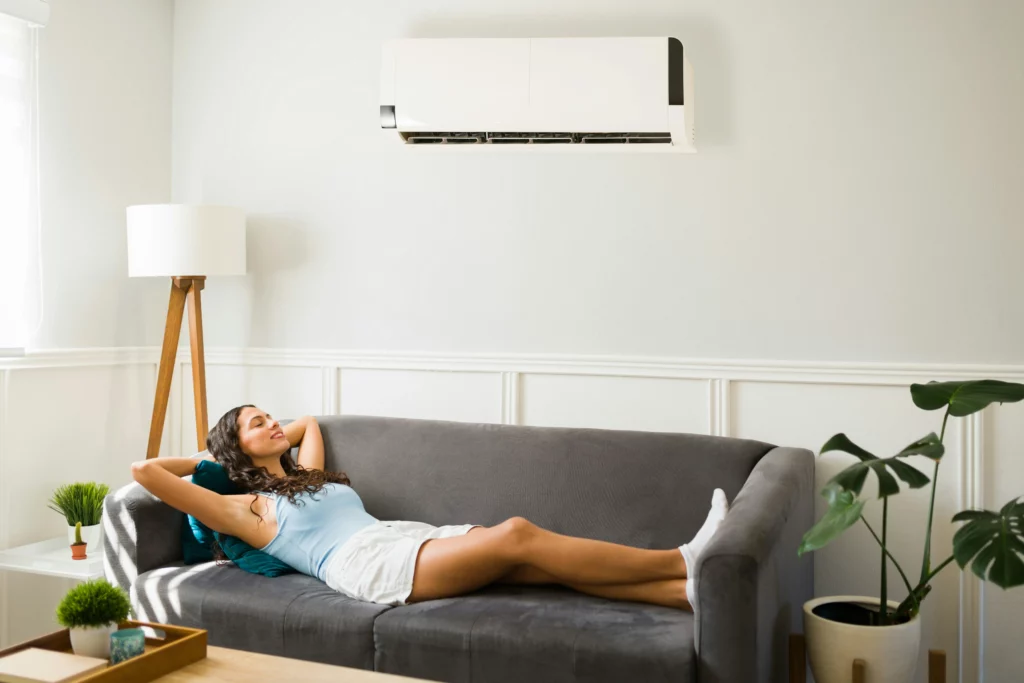
Almost — and this is the part most explanations get wrong. An air conditioner is a heat pump that only runs in one direction.
Neither one “makes” cold or heat. Both move heat from one place to another using the same refrigerant, the same compressor, and the same refrigeration cycle. In summer, both pull heat out of your home and dump it outside.
The difference is a single component: a reversing valve. A heat pump has one; an air conditioner doesn’t. That valve lets the heat pump run the cycle backwards in winter — pulling heat out of the outdoor air (there’s usable heat in it even well below freezing) and moving it inside.
So a heat pump cools exactly as well as an air conditioner of the same capacity, because in cooling mode it is one. It just does a second job the other nine months of the year.
Do heat pumps cool as well as air conditioners? Yes — identically. In cooling mode, a heat pump is an air conditioner, running the same refrigeration cycle with the same components. A properly sized heat pump cools your home exactly as well as an air conditioner of the same capacity, and modern models often dehumidify better thanks to variable-speed compressors.
How Does a Heat Pump Work?
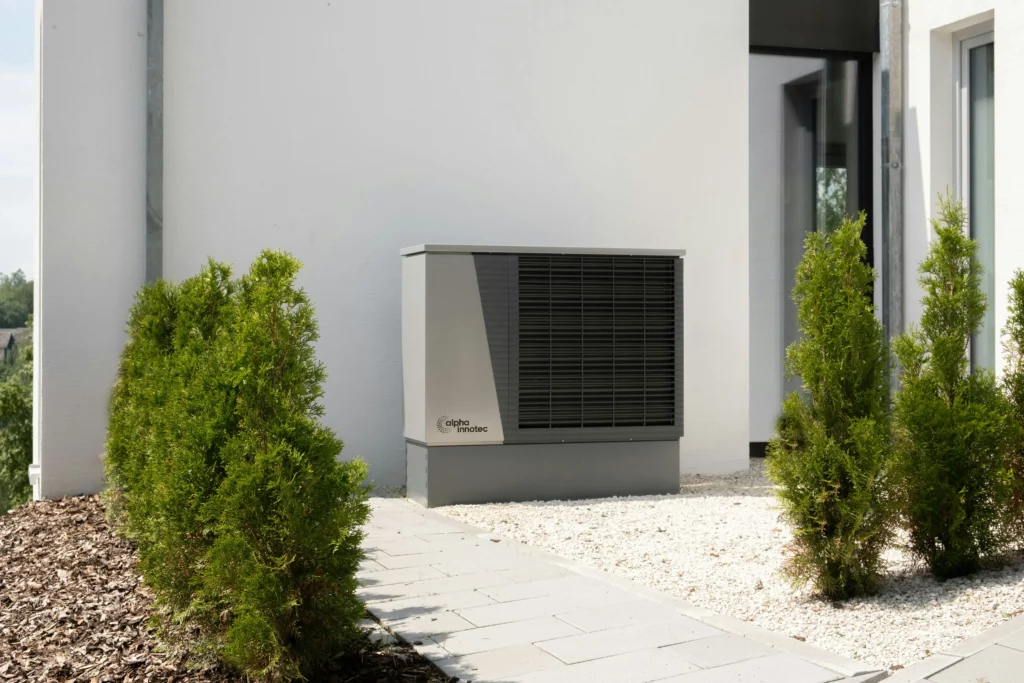
The operation of a heat pump air conditioner revolves around its ability to reverse its function according to the season. In the summer months, it functions similarly to a traditional air conditioner, removing heat from your home to keep it cool. During colder months, it switches roles by activating a component known as a reversing valve, which allows it to warm up your home by pulling in heat from the outside—even in cold temperatures. This dual capability makes the air conditioner with heat pump a comprehensive solution for year-round climate control in your home.
How does a heat pump provide both heating and cooling? A reversing valve changes the direction the refrigerant flows. In summer, it moves heat from inside your home to the outdoor unit. In winter, it flips, pulling heat out of the outdoor air and releasing it indoors. Same hardware, opposite direction.
Why Is It Getting Popular?
The increasing popularity of heat pumps is driven by their benefits, which align well with growing environmental concerns and the push for more sustainable living practices. As heat pump technology advances, the minor drawbacks such as performance in extreme cold are continually being addressed. Therefore, heat pumps are an increasingly attractive option for homeowners across various climates.
Advantages
- Energy Efficiency: Heat pumps are significantly more energy-efficient compared to traditional HVAC systems because they simply transfer existing heat instead of burning fuel to create it. This efficiency translates to heat pump air conditioners being a favorite for those looking to reduce their energy consumption.
- Cost-Effective: While the initial cost to buy heat pump systems may be higher, the operational savings on energy bills can quickly offset the upfront investment, making them a financially sound choice over time. At Dynamic Heating and Cooling, we also offer financing options.
- Environmentally Friendly: By minimizing the use of fossil fuels, heat pumps help reduce your home’s carbon emissions, contributing to a healthier planet.
- Rebate eligible: Ontario’s Home Renovation Savings Program offers rebates on qualifying cold-climate heat pumps. The amount depends on how your home is heated now and the size of the system — gas-heated homes and electrically heated homes are rebated at different rates. Your equipment has to be on Natural Resources Canada’s qualified products list and installed by a registered contractor, and approval is needed before the work starts. See our rebates page for current programs, or ask our team what your home qualifies for.
- Versatility: An air conditioner with heat pump serves a dual function, handling both cooling and heating. This simplifies the home’s HVAC system by eliminating the need to install separate units for each function.
Possible Disadvantages
- Upfront Cost: The initial expense to buy heat pump units is generally higher than that of traditional air conditioning systems, which can be a barrier for some homeowners. Financing and rebates take some of the sting out of the upfront cost.
- Performance in Extreme Cold: Older heat pumps struggled below freezing, and that reputation lingers. Cold-climate models (ccASHPs) are built for Canadian winters — to qualify for Ontario’s rebate, a unit must hold at least 70% of its rated capacity at -15°C and keep working below that. In Hamilton, the practical answer isn’t “will it work,” it’s “at what point does gas get cheaper than electricity” — which is exactly what a dual-fuel setup manages automatically.

Should You Rely Solely on a Heat Pump for Both Heating and Cooling?
In many cases, you can indeed rely on a heat pump for both heating and cooling. Modern heat pump air conditioners are engineered to be effective even in colder climates, which makes them a suitable choice for many homes in Canada.
A modern cold-climate heat pump can heat a Hamilton home through most of the winter on its own. Output does taper as temperatures fall, and at some point running gas costs less than running electricity — which is why most Ontario homes with an existing furnace keep it as backup rather than removing it. If you don’t have a gas line, a properly sized cold-climate heat pump with electric backup handles the whole season.
Using an AC with heat pump provides a versatile solution, as the heat pump handles both cooling and heating efficiently in most climate conditions. This dual functionality reduces the need to maintain two separate systems, simplifying both installation and maintenance, and can lead to significant cost and energy savings over time.

Do You Need to Keep Your Air Conditioner?
No. A heat pump replaces your air conditioner outright — same cooling, one less box in the yard. Keeping both means paying to maintain two systems that do the same job.
What you usually do keep is your furnace. In Ontario, the most common and cost-effective setup is a dual-fuel (hybrid) system:
- Spring, summer, and fall: the heat pump handles all cooling and all heating, running on electricity at 200–300% efficiency.
- Deep winter: when temperatures drop far enough that gas becomes the cheaper fuel, the system automatically switches over and your furnace takes the load.
- The switchover is automatic — a compatible thermostat handles it based on outdoor temperature and fuel costs. You don’t touch anything.
This is why most gas-heated Hamilton homes adding a heat pump keep the furnace and lose the AC, not the other way around. You get the heat pump’s efficiency most of the year and the furnace’s brute-force output on the handful of days that need it.
Can a heat pump replace an air conditioner? Yes. A heat pump does everything your air conditioner does and adds heating. When you install one, the old AC comes out — there’s no reason to run both. In Ontario, most gas-heated homes pair the new heat pump with their existing furnace for backup heat in deep cold.
The one genuine exception: if you’re adding a ductless mini-split to heat and cool a specific zone — a garage, an addition, a converted attic — your central AC keeps serving the rest of the house. That’s zoning, not redundancy.

Heat Pump vs Air Conditioner: What’s the Difference?
Mechanically, very little — that’s the honest answer. Both use the same refrigeration cycle to move heat. The heat pump adds a reversing valve so it can run that cycle in both directions. Here’s what actually separates them in practice:
- Cooling: Identical. Same capacity, same performance, same comfort.
- Heating: Only the heat pump can. An air conditioner has no ability to heat at all.
- Efficiency: A heat pump moves heat rather than burning fuel to create it, reaching 200–300% effective efficiency in heating mode. A furnace’s ceiling is 100%, minus combustion losses.
- Upfront cost: Heat pumps cost more than an equivalent AC — you’re buying the reversing valve, a bigger outdoor unit, and cold-weather engineering.
- Operating cost: Cheaper than electric heat year-round; cheaper than gas in mild weather; more expensive than gas in deep cold. That crossover is why dual-fuel exists.
- Rebates: Heat pumps qualify for Ontario’s Home Renovation Savings Program. Air conditioners generally don’t.
- Equipment count: A heat pump replaces both your AC and (most of) your furnace’s workload. An AC only ever does one job.
For a full side-by-side against gas heating, see our heat pump vs furnace guide.
How Much Does a Heat Pump Cost in Ontario?
Heat pump pricing depends far more on configuration than on brand:
- Ductless mini-split (single zone) — roughly $4,000–$7,000 installed. For one room, an addition, or a garage.
- Adding a cold-climate heat pump to an existing furnace (dual-fuel) — roughly $7,000–$12,000 installed. The most common Hamilton upgrade: the heat pump and a matched coil go on the furnace you already own.
- Full ducted cold-climate heat pump system — roughly $8,000–$16,000 installed, depending on capacity and ductwork.
- Ground-source (geothermal) — $25,000+, and a different conversation entirely.
Ontario’s Home Renovation Savings Program offsets part of this depending on your current heating fuel and system size. See our rebates page for what’s currently available.
Understanding SEER2 and HSPF2
Two ratings matter when comparing heat pumps:
- SEER2 measures cooling efficiency — the heat pump equivalent of your AC’s rating. Higher is better.
- HSPF2 measures heating efficiency over a season. Higher is better.
For rebate eligibility in Ontario, a cold-climate unit generally needs to hit minimum SEER2 and HSPF2 thresholds, maintain at least 70% capacity at -15°C, and appear on Natural Resources Canada’s qualified products list. Your contractor should confirm the specific model qualifies before you sign — that’s not a detail to sort out afterward.
Choosing the Right Heat Pump for Your Home
- Assess Your Climate: Consider the typical weather patterns in your area to determine whether a heat pump alone will suffice, or if supplemental heating might be necessary (furnace).
- Understand Your Heating and Cooling Needs: Evaluate the size of your home and the usual occupancy to choose a heat pump that can efficiently meet your demands.
- Consult Professionals: Leverage the expertise of HVAC professionals like Dynamic Heating and Cooling to select and install the optimal heat pump for your situation.
Maintenance for Air Conditioner With Heat Pump
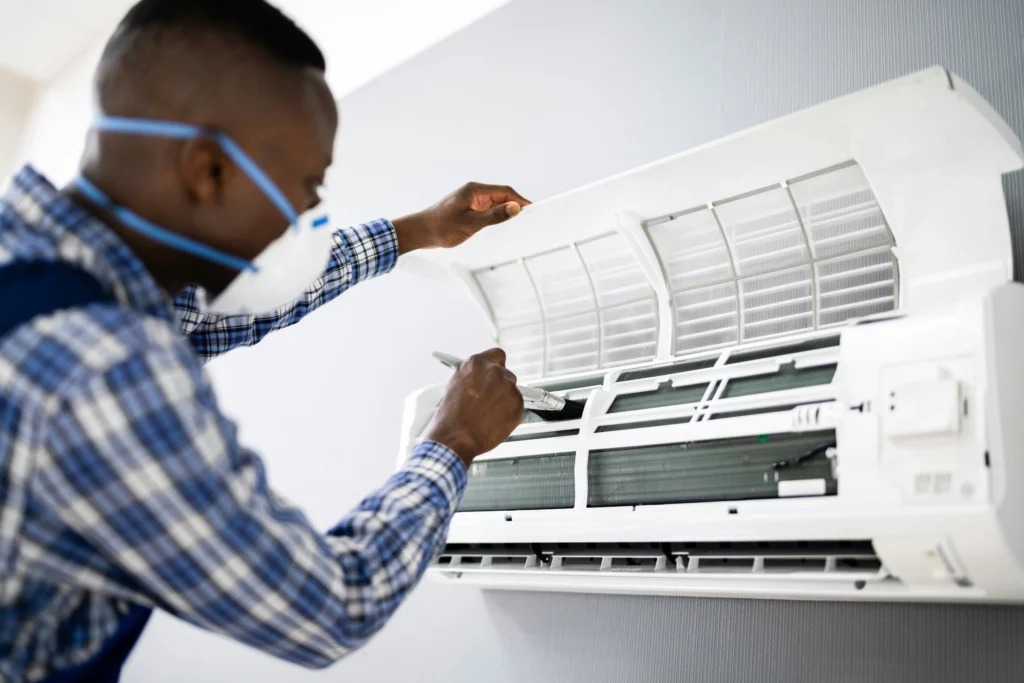
Regular maintenance is crucial for the longevity and efficiency of any HVAC system, including those with heat pumps. At Dynamic Heating and Cooling, we offer comprehensive HVAC maintenance plans that ensure your system operates at peak efficiency and prevents costly repairs.
Contact Dynamic Heating and Cooling
Investing in a heat pump, whether standalone or combined with an existing air conditioner, can provide significant benefits in terms of efficiency, cost savings, and environmental impact. If you’re ready to explore the advantages of a heat pump system, or need more information on how to integrate one with your current air conditioning setup, contact us at Dynamic Heating and Cooling today. Our experts are here to help you make the best choice for your home’s HVAC needs.