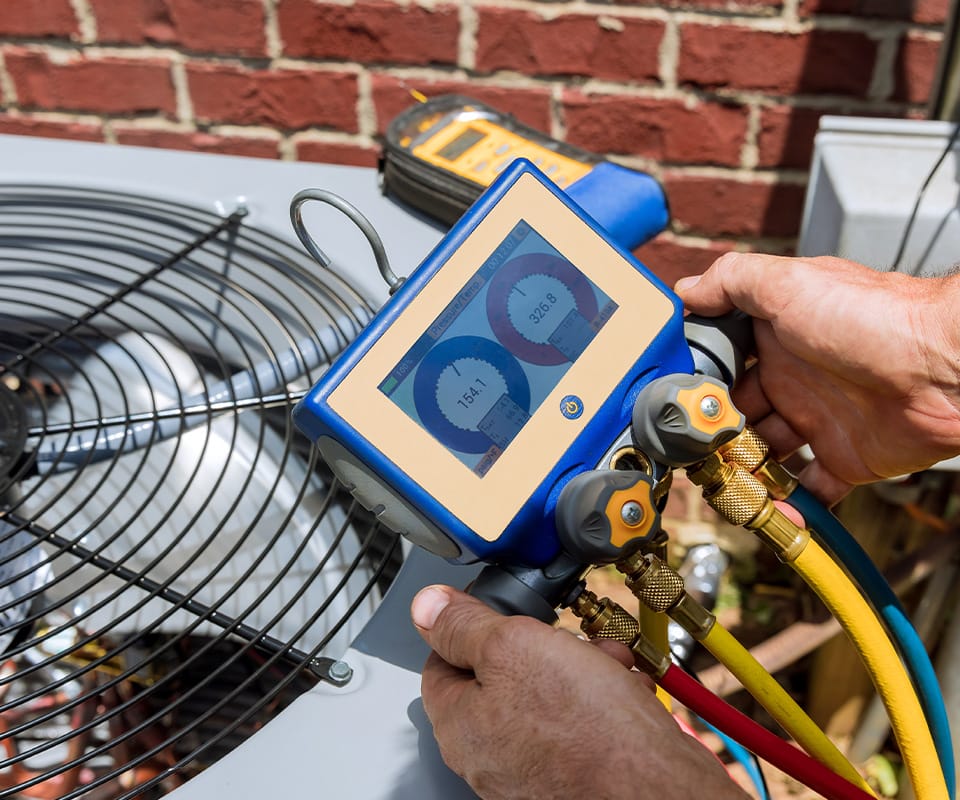
HVAC systems are the heart of any modern home or building, crucial in maintaining comfort and air quality. However, like any complex system, HVAC units require regular inspections to ensure they function correctly. Interestingly, a study by the U.S. Department of Energy reveals that proper HVAC maintenance can improve system efficiency by up to 15%.
This article aims to guide you through the importance of HVAC inspections, the key signs indicating the need for one, and the various aspects involved in the process. Understanding these elements can help you maintain your HVAC system effectively, ensuring it operates at optimal efficiency while safeguarding the safety and comfort of your environment.
Key Indicators That It’s Time for an HVAC Inspection
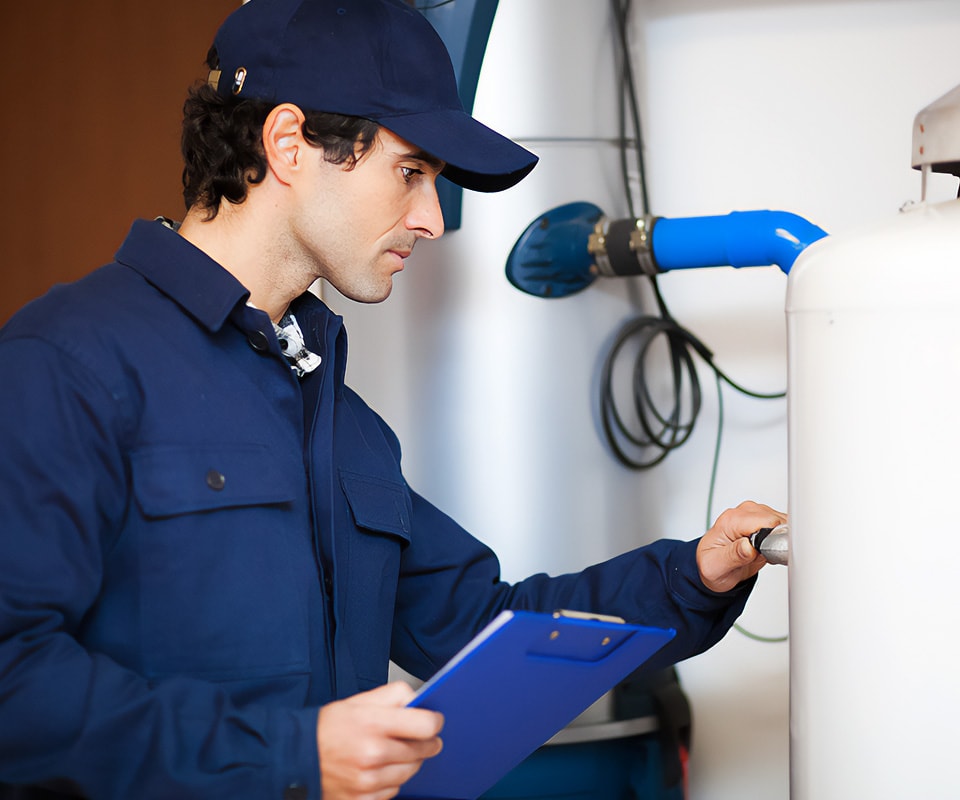
Understanding when to schedule an HVAC inspection is crucial for maintaining the efficiency and longevity of your heating, ventilation, and air conditioning systems. Recognizing the signs that your system needs an HVAC inspection can save you from unexpected breakdowns and costly repairs. Here are key indicators to watch out for:
- Unusual Noises: Any new or strange sounds from your HVAC system, like rattling, buzzing, or whistling, can indicate mechanical problems or loose components.
- Unexpected Increases in Energy Bills: A sudden spike in your utility bills without a corresponding increase in usage often points to inefficiencies in your HVAC system. With the HVAC industry valued at nearly USD 159 billion in 2022, efficient systems are more critical than ever.
- Inconsistent Temperatures: If some rooms are too hot or too cold, it might be a sign that your HVAC system is not distributing air evenly.
- Frequent Cycling: If your system is constantly turning on and off, it might be overworking due to issues like a clogged filter or an incorrect thermostat setting.
- Poor Air Quality: An increase in dust or a musty smell in your home can indicate problems with your HVAC’s air filters or ducts. Poor indoor air quality is not just a comfort issue; it poses significant health risks, especially for individuals with allergies, asthma, or other respiratory conditions. Regularly servicing your HVAC system, including cleaning or replacing filters, ensures improved indoor air quality and a healthier living environment.
- Humidity Problems: Excessive humidity or dryness inside your home can be a sign of an improperly functioning HVAC system.
- Age of the System: HVAC systems over 10 years old may require more frequent inspections to ensure they are running efficiently. With the aging infrastructure of HVAC systems being a significant industry challenge, regular inspections are more important than ever.
Regular HVAC inspections can help detect these issues early on, leading to more manageable repairs and extended system lifespan. Remember, addressing these warning signs promptly can not only improve your home’s comfort but also contribute to energy savings.
Check out this blog post for signs of a needed duct or furnace cleaning.
Air Conditioning Inspection
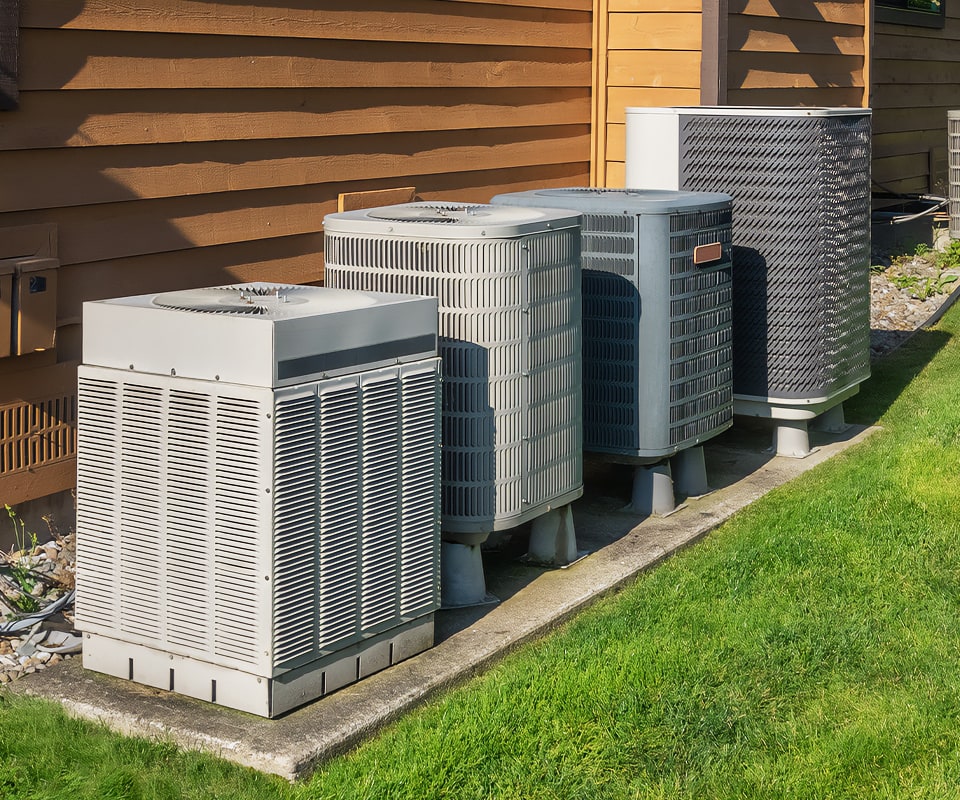
Air conditioning inspection, a crucial aspect of HVAC inspections, is essential for ensuring your AC system’s peak efficiency. This process is not just a simple check-up; it’s a comprehensive evaluation that can significantly impact your comfort and energy bills, especially during peak summer months.
During an air conditioning inspection, technicians will perform several important tasks:
Refrigerant Level Check
Ensuring the correct refrigerant level is critical for efficient operation. An incorrect level can lead to increased energy consumption and reduced cooling capacity.
Condenser and Evaporator Coil Inspection
Dirty coils can reduce efficiency, a crucial aspect to consider given that air conditioning can significantly increase electricity bills. In fact, in 2022, Canadians saw an average annual increase of 3.8% in electricity costs.
Secure Electrical Connections
Loose connections can be a safety hazard and reduce the lifespan of your AC unit. Technicians will tighten any loose connections and check for any signs of electrical issues. As air conditioning usage spikes, especially in provinces like Manitoba and Ontario, where over 80% of households have air conditioners, ensuring all electrical components are secure is vital for safety and efficiency.
Air Filter Inspection and Replacement
A clean air filter is essential for maintaining good indoor air quality and efficient system operation. Regular replacement or cleaning of the air filters can prevent airflow issues and maintain system efficiency.
Ductwork Inspection
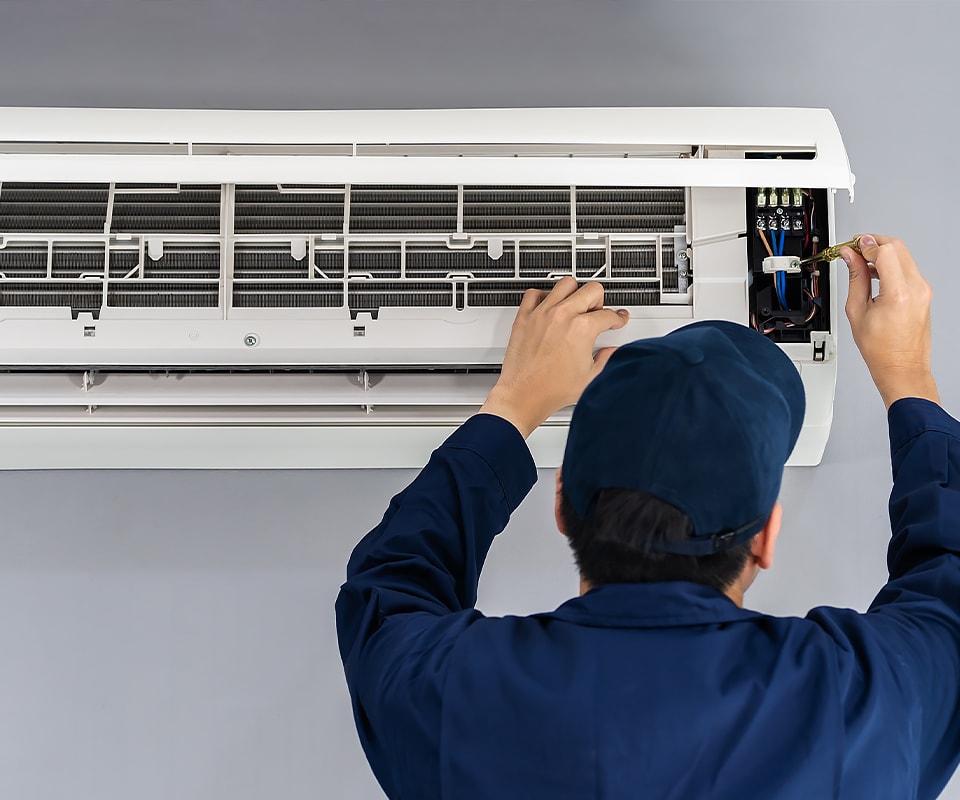
Technicians will examine the ductwork for leaks, obstructions, or damage that can affect system performance and air quality. Ductwork inspection includes:
- Thermostat Calibration: Proper thermostat function is crucial for maintaining comfortable temperatures and reducing energy usage.
- System Control Check: Ensuring that the AC system starts, operates, and shuts off properly is a critical part of the inspection process.
This detailed inspection process is vital for any HVAC tune-up and maintenance plan. Regularly scheduling such inspections, especially before the high-demand summer season, can prevent unexpected breakdowns and ensure your system runs efficiently.
Given the HVAC industry trends toward smarter, more energy-efficient systems, these inspections are more important than ever to maintain your investment and keep your system up to date. Remember, whether you need to book an inspection or request for inspection, choosing a qualified building inspector or HVAC technician is key to a thorough and effective evaluation of your system.
7 Key Considerations for HVAC Inspection
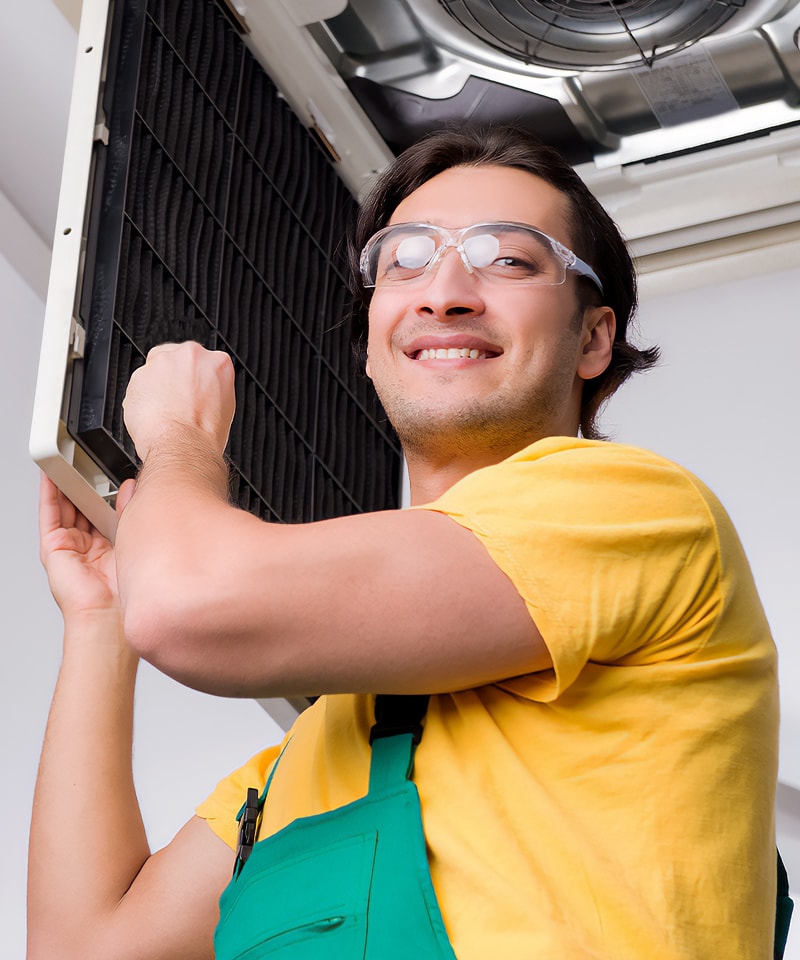
When planning to book an inspection for your HVAC system, it’s crucial to understand the unique requirements and regulations that apply to your home or commercial building. Every property has distinct HVAC inspection requirements, influenced by several factors, including the age, size, and type of the HVAC system installed.
Regularly scheduled HVAC tune-up appointments are essential to comply with these requirements. Additionally, HVAC inspections also enhance the system’s performance and efficiency. The HVAC inspection encompasses various components such as air filters, ductwork, and mechanical parts, ensuring the overall health and efficiency of the system.
In Canada, for example, inspecting mechanical ventilation systems, particularly in healthcare and residential facilities, is governed by specific regulations. According to the Regulation for Health Care and Residential Facilities (O. Reg. 67/93, s. 19) under the Occupational Health and Safety Act (OHSA), these systems must undergo an inspection at least every six months by a qualified person.
Moreover, the inspection report, an integral part of this process, must be filed with the employer and with the Joint Health and Safety Committee or the Health and Safety Representative. Here are the essential factors to consider when thinking of your home and building inspection services in regard to HVAC inspection requirements:
1. System Age
Older HVAC systems, especially those surpassing the 10-year mark, often necessitate more frequent HVAC inspections. This is crucial for ensuring they meet current HVAC inspection requirements and continue operating safely and efficiently.
2. System Size and Type
The size and complexity of your HVAC system, whether a standard air conditioner or a more complex heat pump system, can dictate the scope and frequency of necessary inspections. Larger, multifaceted systems might require more detailed checks.
3. Building Size and Layout
For home and building inspection services, consider the size and layout of your property. Large or uniquely designed buildings might require more comprehensive HVAC inspections to ensure even air distribution and optimal system performance.
4. Usage Patterns
Intensive use of HVAC systems, common in commercial buildings or regions with extreme weather conditions, implies a need for more regular inspections. This is vital for both maintenance and addressing any wear and tear.
5. Local Climate and Environmental Factors
Environmental factors like high humidity or salt air significantly impact the frequency of HVAC maintenance. Regular inspections can address these climate-induced challenges, ensuring the system’s longevity.
6. Regulatory Compliance
Adhering to building inspection requirements is essential. Regular HVAC inspections ensure that your system complies with local safety and operational regulations, a critical aspect for both residential and commercial properties.
7. Energy Efficiency Goals
In an era where energy costs are rising and smart HVAC systems are in demand, regular inspections play a vital role in maintaining energy efficiency. An HVAC tune-up can lead to recommendations for upgrades that align with energy-saving goals.
Whether you need to book an inspection, request for inspection, or are seeking building inspectors near you, understanding these key factors is crucial. Regular HVAC inspections by qualified building inspectors not only ensure compliance and efficiency but also contribute to the overall comfort and safety of your property.
Requesting a Building Inspection: How to Find Qualified Inspectors Near You
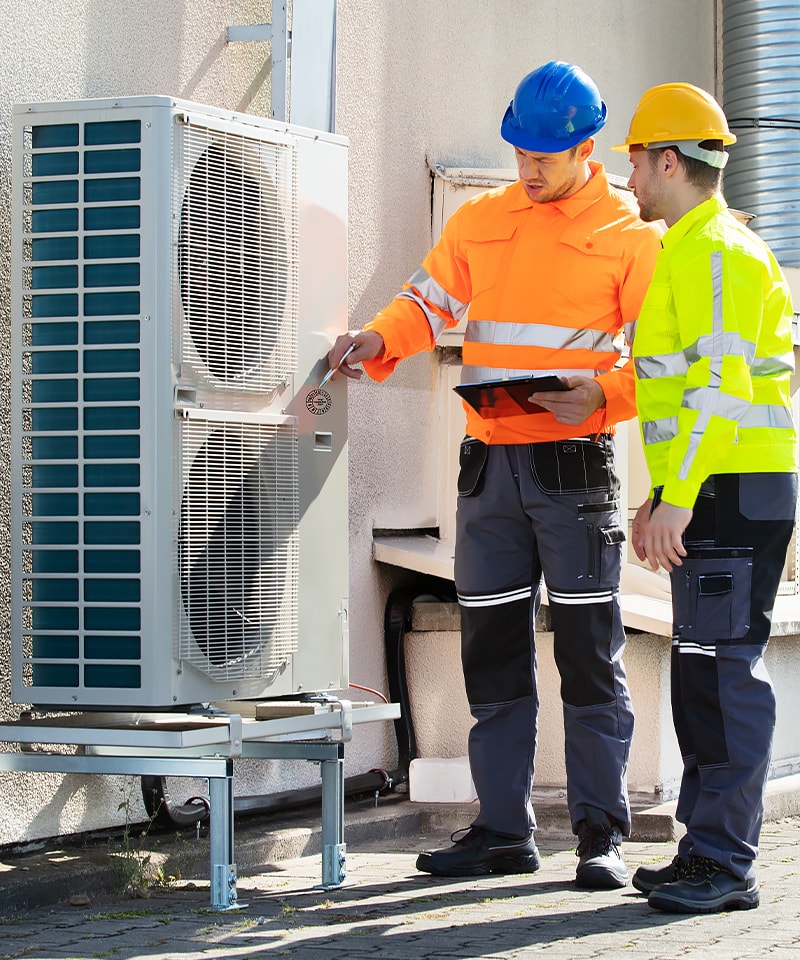
When requesting a building inspection for your HVAC system, the first step is to find qualified, trustworthy local inspectors with a positive customer service track record. You can begin this process by searching for terms like ‘building inspector near me’ or ‘building inspections’. This will help you identify professionals in your area equipped to handle these specific types of inspections.
It’s crucial to ensure that the building inspectors you consider are not only certified but also have specific experience in dealing with HVAC systems. This expertise is essential for comprehensively assessing your system’s health and efficiency.
Looking for HVAC Inspection in the Greater Toronto Area?
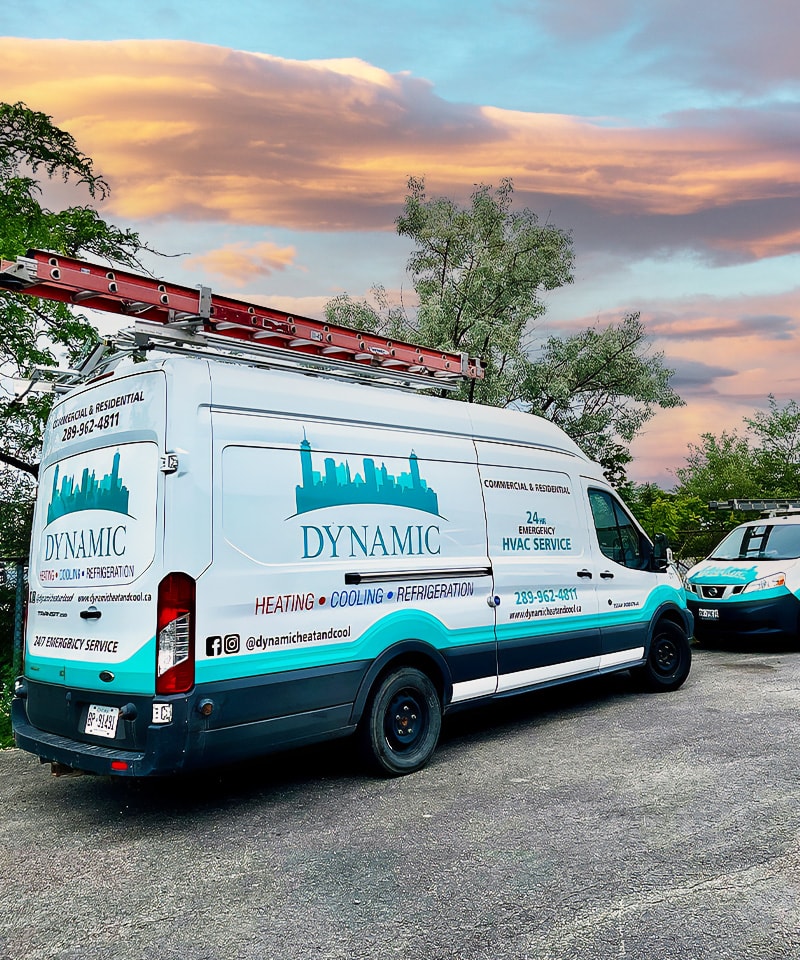
At Dynamic Heating and Cooling, we understand the importance of a thorough and professional building inspection for your HVAC system. If you’re looking to request a building inspection, we’re here to assist you with our team of certified and experienced HVAC inspectors.
Requesting an inspection with us is easy and convenient. You can contact us directly through our website or give us a call to schedule your HVAC inspection. We pride ourselves on providing prompt and reliable service to all our clients.
Choosing Dynamic Heating and Cooling means opting for a trusted partner who values the performance and safety of your HVAC system. Our commitment to quality service and customer satisfaction makes us a preferred choice for building inspections. Trust us to deliver a comprehensive inspection that will help maintain your system’s performance, comply with safety standards, and ensure the comfort and well-being of your building’s occupants.
If you want to learn more about HVAC maintenance and other HVAC services for your home or business, check out our blog with weekly updates, tips, and tricks.