
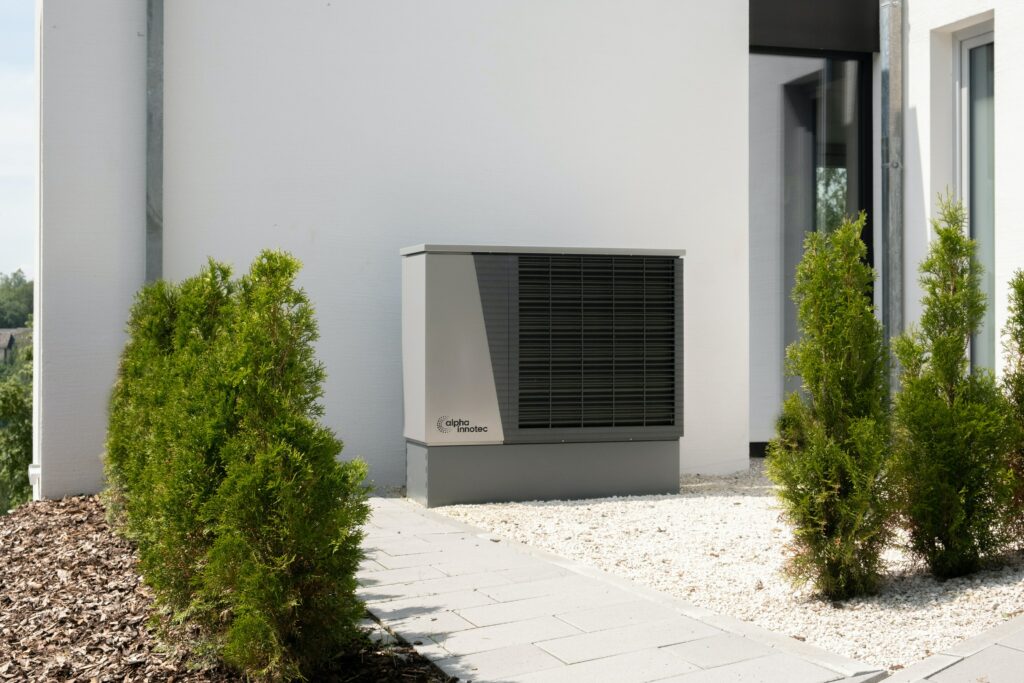
In this article, our expert heat pump team at Dynamic Heating and Cooling will help you answer an important question: what is the best heat pump to buy in Canada? We will help you navigate the world of the best heat pumps Canada, focusing on selecting the ideal one for your home. We’ll explore factors like efficiency, cost of a heat pump, climate suitability, and the specific heating and cooling demands of your space.
From the top-performing cold climate heat pumps in Canada, to the standout features among top-performing heat pump brands, this guide will help you make an informed decision. Discover the best heat pump for your home available, tailored solutions for your home’s heating and cooling needs, ensuring both comfort and energy savings.
What is a Heat Pump?
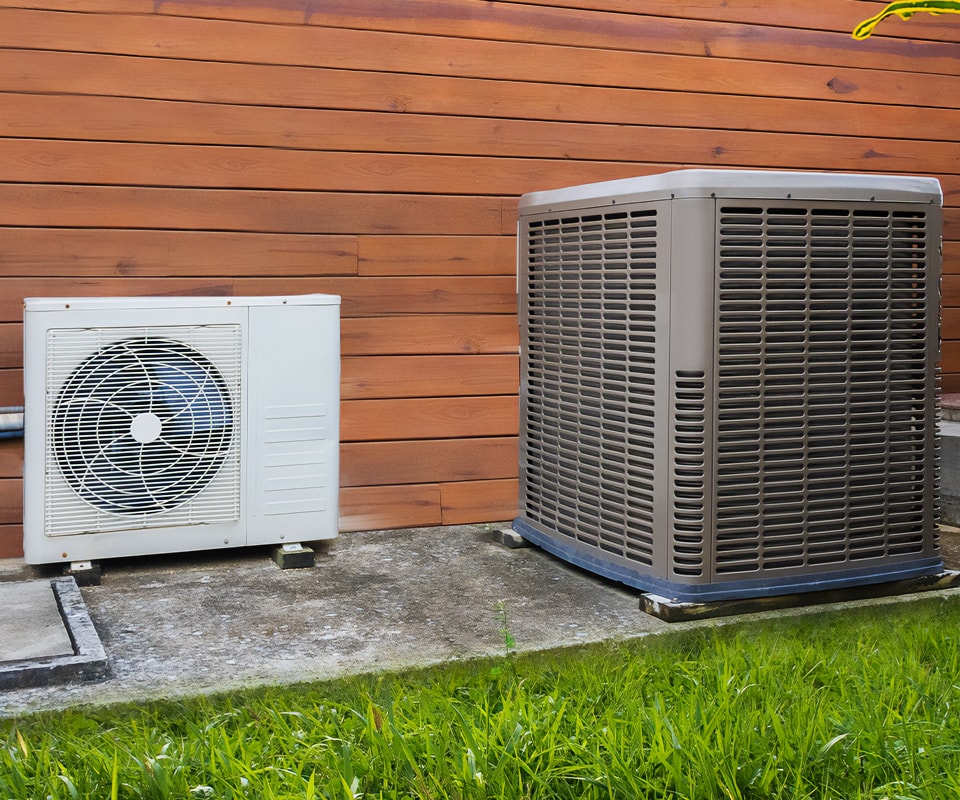
Understanding the essence of a heat pump is pivotal when contemplating the best heat pump, or even the most suitable heating and cooling system for your household. A heat pump operates distinctively from a furnace, relying on its mechanism to transfer heat between indoor and outdoor environments.
Unlike furnaces, which generate heat by burning fuel, the best heat pumps Canada offer a year-round solution by efficiently heating and cooling spaces. While furnaces excel in extreme cold, they lack the versatility to provide heating and cooling.
At Dynamic Heating and Cooling, we specialize in assisting homeowners through this critical decision-making process, ensuring they choose the best heat pumps in Canada for their unique homes. Natural Resources Canada states that an air-source heat pump offers significant advantages, particularly in its superior heating efficiency compared to conventional systems like furnaces, boilers, and electric baseboards.
Choosing the Best Heat Pump
When navigating the selection process for the best heat pump, delving into a comprehensive checklist can speed up your best heat pump decision-making.
Efficiency Rating
Look for heat pumps with high SEER (Seasonal Energy Efficiency Ratio) for cooling and HSPF (Heating Seasonal Performance Factor) for heating. These ratings indicate their energy efficiency levels, directing you toward the best heat pumps in Canada on the market.
Climate Compatibility
For regions with colder climates like Canada, prioritize models explicitly designed for extreme weather conditions. Brands like Mitsubishi, Daikin, and Fujitsu offer models tailored for cold climates, ensuring optimal performance even in freezing temperatures.
A heat pump from one of these brands will be the best heat pump for your home in Canada. Remember, even if you buy the best cold climate heat pump Canada, maintenance remains crucial.
Sizing and Capacity
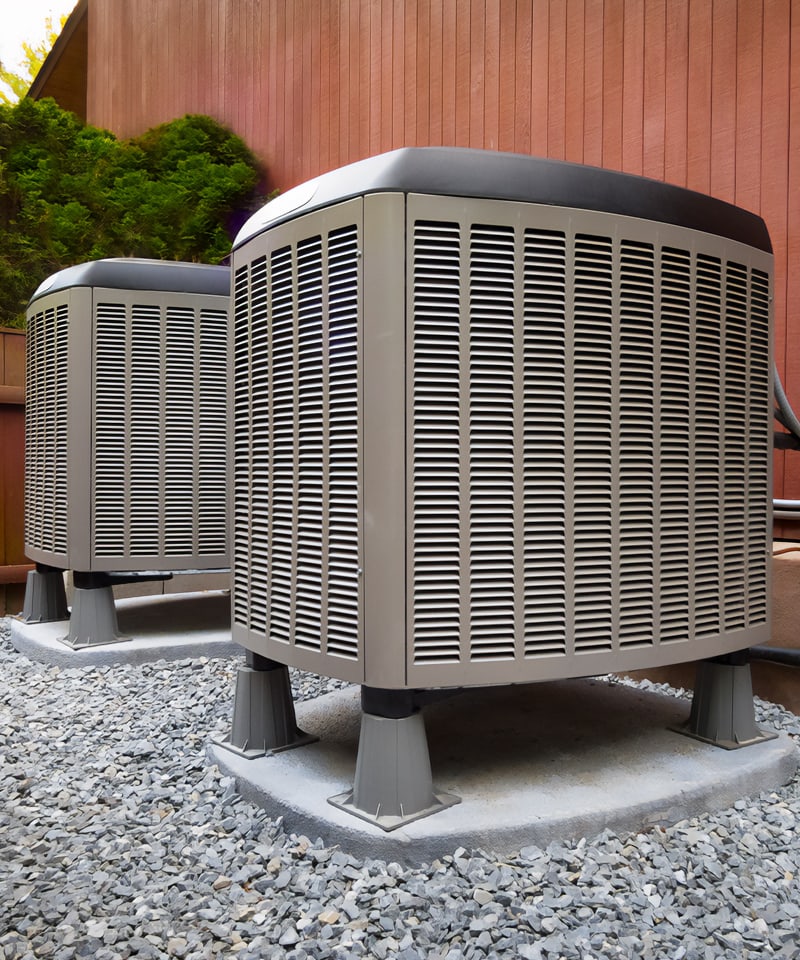
Ensuring the heat pump is appropriately sized for your home is what makes it the best heating pump for you. A system too large or small may result in inefficiencies, discomfort, and potential issues. Professional assessment determines the right size and capacity for your space.
Dynamic Heating and Cooling offers this service when installing a new heat pump for our clients. Finding the best heat pump in Canada can become nearly effortless for our clients.
Specific Heating and Cooling Needs
Analyze your specific needs, considering factors such as the size of your living space, insulation, and preferred comfort levels. This evaluation aids in selecting the best heat pump type, size, and features that align with your requirements.
Environmental Impact
Consider the environmental implications of your choice. Heat pumps are generally more eco-friendly than traditional heating systems due to their energy efficiency and lower carbon footprint. BC Hydro mentions that heat pumps operate on clean hydroelectric power, effectively lowering your household’s carbon footprint when transitioning from fossil fuel-based heating systems.
Noise Level
Some heat pumps can produce noise during operation. If this is a concern, look for models specifically designed for quieter performance. There are many of those available.
Maintenance Requirements
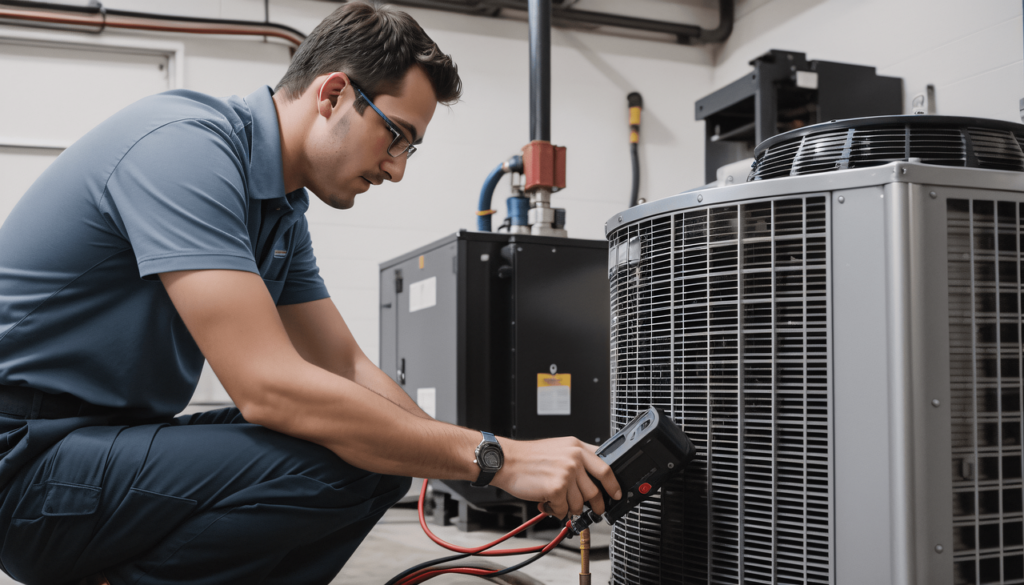
Assess the maintenance needs of the best heat pump models. Opt for units with straightforward maintenance procedures and robust warranties to ensure long-term reliability. At Dynamic Heating and Cooling, we prioritize your peace of mind by recommending the best heat pump Canada models with straightforward maintenance requirements and robust warranties.
Read more about the ins and outs of heat pump maintenance here.
Warranty and Support
Investigate the warranties offered by various brands. Robust warranties and dependable customer support can be crucial in case of unexpected issues or breakdowns.
This checklist, coupled with professional guidance from experts like those at Dynamic Heating and Cooling, can significantly aid in answering your question ”What is the best heating pump to buy in Canada?” for your home, ensuring optimal efficiency, comfort, and long-term satisfaction.
Best Cold Climate Heat Pump Canada
In the biting cold of Canada, the quest for the best heat pumps capable of enduring and excelling in extreme climates is a top priority for homeowners. Couple the best cold climate heat pump in Canada with our expert servicing for smooth winter and summer home temperatures. Brands like Mitsubishi, Daikin, Trane, Lennox, Coleman and Fujitsu offer models that are efficient and reliable in cold weather.
Their engineering marvels showcase a meticulous design precisely honed to combat freezing temperatures, helping these companies produce the best heat pumps in Canada. These units don’t just brave the cold; they thrive in it.
These heat pumps maintain their exceptional performance even when the temperatures plunge. Their resilience ensures uninterrupted, consistent heating, reassuring homeowners that their comfort won’t be compromised when the temperatures hit their lowest. With energy savings at the forefront, these specialized heat pumps guarantee warmth and efficiency, making them indispensable allies during Canada’s icy winters.
Heat Pump Brands in Canada
In the world of the best heat pumps in Canada, several bigger brands have made their mark by delivering reliable and efficient models. Such heating pump brands as Trane, Lennox, and Coleman stand out with their robust presence and reputation for quality systems.
These brands have built a solid foundation in the Canadian market, consistently offering durable and dependable heat pump solutions that withstand the challenges posed by diverse weather conditions nationwide.
The brands mentioned in this blog, including Mitsubishi Electric, Daikin, and Fujitsu, have established themselves as reputable names in the Canadian market by offering state-of-the-art technology, energy efficiency, and consistent performance.
Their commitment to innovation and reliability reflects their dedication to providing homeowners with top-quality heat pump systems tailored to the specific needs of Canadian climates.
Trane
This is one of the best heat pump brands Canada has to offer its residents. Renowned for its innovative technologies, it has become synonymous with reliability and efficiency. Their heat pump models are designed to cater to varying climate demands, providing homeowners with consistent performance and energy-efficient solutions. Trane prioritizes advanced engineering to ensure its systems deliver optimal heating and cooling, even in the harsh Canadian winters.
Lennox
This is another established heat pump brand known for its unmatched durability and high performance, standing out from other heat pumps in Canada. With a focus on cutting-edge technology and efficient operation, Lennox heat pumps are designed to meet the specific needs of Canadian households. They emphasize durability and reliability, offering homeowners peace of mind with their long-lasting and effective heating and cooling solutions.
Coleman
Coleman has gained recognition for its commitment to providing efficient and durable, the best heat pump systems. Their models are engineered to withstand extreme weather conditions, ensuring consistent performance and energy efficiency throughout the year. Coleman emphasizes user-friendly designs and innovative features, making their heat pumps a reliable choice for Canadian homes seeking comfort and sustainability.
Mitsubishi Electric
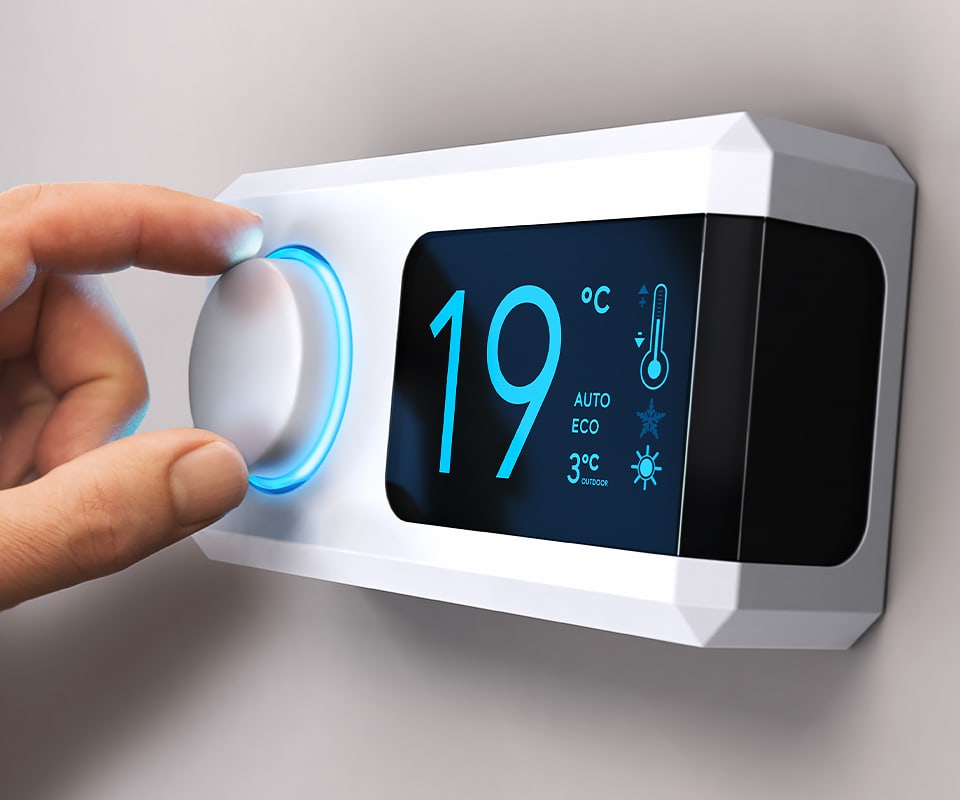
This is another one of the best heat pump brands in Canada, and it stands out as a frontrunner in providing cutting-edge heat pump technology. Their models are engineered with precision and innovation, offering advanced features designed for optimal performance in varying climates. Mitsubishi Electric heat pumps are known for their reliability, energy efficiency, and precise temperature control, making them a popular choice among Canadian homeowners.
Daikin
Daikin has also gained prominence for its innovative and environmentally friendly heat pump solutions. Their models prioritize energy efficiency and sustainability while delivering powerful heating and cooling capabilities, making their products the best heat pump choice for many homes. Daikin’s heat pumps in Canada are designed to cater to diverse climate needs, providing homeowners with reliable performance and advanced features for enhanced comfort.
Fujitsu
This company has consistently been recognized for setting high standards in the heat pump industry as one of the best heat pump brands in Canada. Their models feature cutting-edge technology, exceptional reliability, and remarkable energy efficiency. Fujitsu’s best heat pump models offer superior heating and cooling capabilities with a focus on quiet operation and innovative features, making them a preferred choice for many Canadian households that prefer peace and quiet.
The Worst Heat Pump Brands
Identifying the worst heat pump brands involves understanding the critical elements that contribute to a brand’s reliability, performance, and customer satisfaction. Brands lacking in these aspects often face issues related to system inefficiency, poor reliability, inadequate customer support, and overall dissatisfaction among consumers.
Key Elements of Poor Heat Pump Brands
Home and Business owners should be cautious of lesser-known or off-brand heat pump options that might compromise quality, reliability, and performance. The worst heat pump brands often lack a proven track record in the industry, making it challenging to assess their long-term performance or reliability.
Conducting thorough research, reading customer reviews, and seeking advice from HVAC professionals can help avoid investing in heat pump brands with poor reputations or unreliable systems.
Reliability Concerns
Some brands may have a history of recurrent system breakdowns, requiring frequent repairs or replacements due to inferior build quality or unreliable components. What other red glad to scream this is one of “the worst heat pump brands” in the country?
Inefficient Models
Brands producing heat pumps with low energy efficiency ratings can significantly impact utility bills and overall system performance, leading to higher operating costs. When having your heat pump installed with Dynamic Heating and Cooling, we make sure to talk you through the specifications of the heat pump you will be getting, confirming the model and its performance.
Lack of Customer Support

Brands that fail to provide adequate customer service, including post-purchase assistance, warranty coverage, and responsive technical support, can lead to dissatisfaction and frustration among consumers.
With excellent reviews and exclusive 5-star ratings, Dynamic Heating and Cooling is a customer-centric company, offering the best heat pump installation, maintenance and servicing.
Limited Innovation
Brands that fall behind in incorporating technological advancements or fail to adapt to new energy-efficient standards might offer outdated or subpar heat pump models.
At Dynamic Heating and Cooling, our experts and technicians are continuously trained as per the industry’s innovation and development.
Unreliable Warranties
The worst heat pump brands would offer insufficient or unreliable warranty coverage, signaling potential issues with the durability and longevity of their heat pump systems.
The Best Heat Pumps in Canada for Your Home
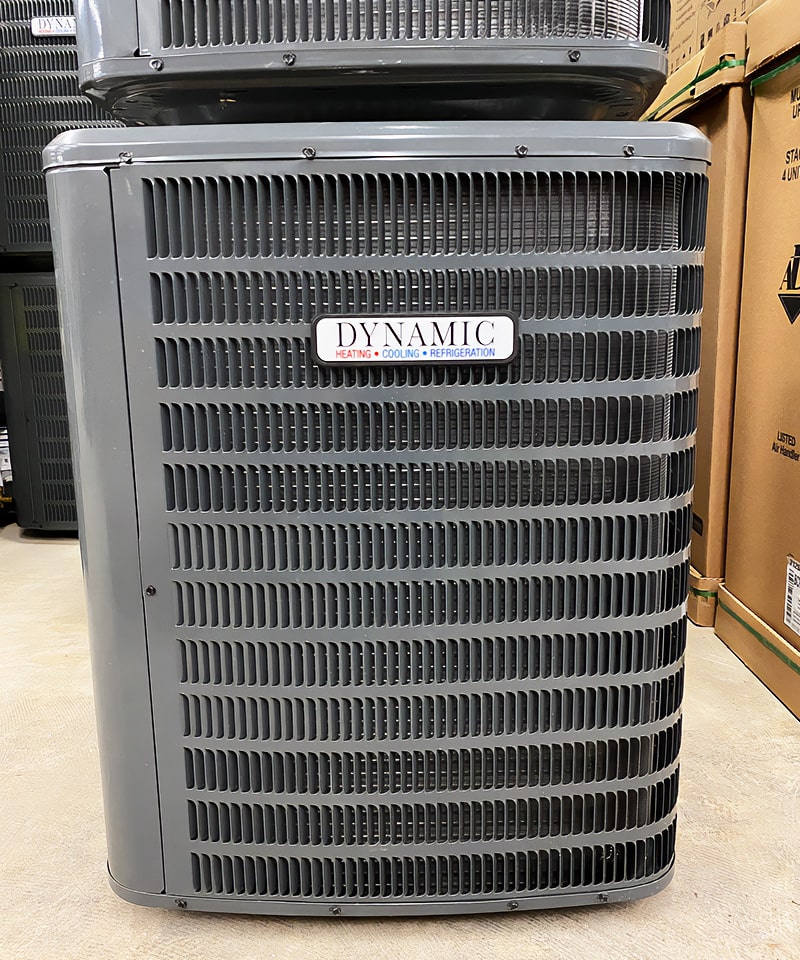
Selecting the best heat pump for your Canadian home involves considering a spectrum of unique factors, tailored to the specifics of your dwelling. Whether you reside in a cozy house, a condominium, or a sprawling property, several criteria can influence the optimal choice for your heating and cooling needs and the best heat pumps in Canada.
Home Size and Layout
The square footage and layout of your residence play a pivotal role in determining the best heat pump size and configuration. A larger home might require a multi-zone system, while a smaller space might suffice with a single-zone unit.
Regional Climate Conditions
Different regions across Canada experience varying climate conditions, influencing the heat pump’s performance requirements. Those in colder areas might prioritize models specifically engineered for extreme cold climates to maintain efficiency during freezing temperatures.
Energy Efficiency Goals
Consider your energy efficiency aspirations. Some homeowners might prioritize eco-friendly options, seeking models with high SEER (Seasonal Energy Efficiency Ratio) ratings or those equipped with innovative features to minimize energy consumption.
Budget Considerations
Your budgetary constraints are vital. It’s essential to balance cost-effectiveness with quality, ensuring you invest in a system that meets your needs without compromising long-term reliability and performance.
Unique Home Characteristics
Specific home details such as the presence of existing ductwork, space constraints for installation, noise considerations, or even aesthetic preferences might influence your heat pump selection.
For condos or apartments, compact and quieter models suitable for limited outdoor space might be more appropriate. Alternatively, detached homes might benefit from more expansive, high-capacity systems with advanced features. Regardless of your dwelling’s unique attributes, consulting with HVAC professionals and considering these factors will help pinpoint the best heat pump tailored to your home’s specifics.
Dynamic Heating and Cooling’s team specializes in understanding these individualized needs to install the best heat pump on the market for your case. With our expertise, we guide homeowners through these considerations, ensuring our selection has only the best heat pump options. We find a system that perfectly aligns with your home’s requirements, providing optimal heating and cooling solutions.
Cost of a Heat Pump
Installing a heat pump involves certain costs that need to be factored into your decision-making process as well. The initial cost of a heat pump varies depending on the brand and model you choose. In addition, installation costs can vary depending on factors such as the complexity of your existing HVAC system or any necessary modifications needed for proper installation.
To determine which specific brand or model is best suited for your needs, it’s recommended to consult with HVAC professionals who specialize in cold climate air source heat pumps in Canada.
At Dynamic Heating and Cooling, we offer financing solutions for those seeking to install the best heat pump and HVAC systems.
Install the Best Heat Pumps for Your Home
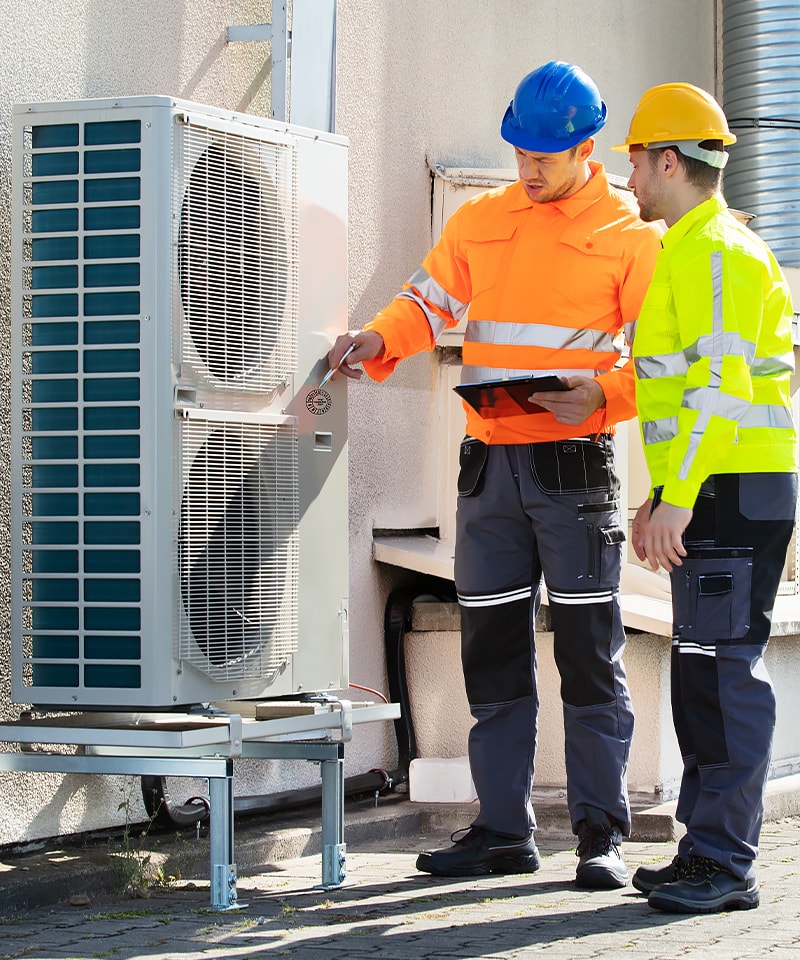
Ready to make the shift towards a greener, more efficient home heating solution with the best heat pump brand in Canada and contractors? Experience the transformative change in your day-to-day life with our expert guidance at Dynamic Heating and Cooling.
Our dedicated team is committed to facilitating your transition to energy-efficient, the best heat pumps in Canada. We install the best cold climate heat pump Canada has to offer. To explore these innovative heating solutions, schedule a consultation or seek advice tailored to your specific needs.
Contact us today at Dynamic Heating and Cooling, and let’s embark on this journey together toward a greener, warmer, and more environmentally-conscious home with the best heat pump.