289-962-4811

24/7 Services Available

289-962-4811

24/7 Services Available

Blog & Resources

Propane Furnace Pros & Cons: Efficient Heating for Ontario Homes

Learn about propane furnace benefits, costs, and efficiency. Explore options for RVs and homes in Ontario. Contact us today for GTA HVAC services.
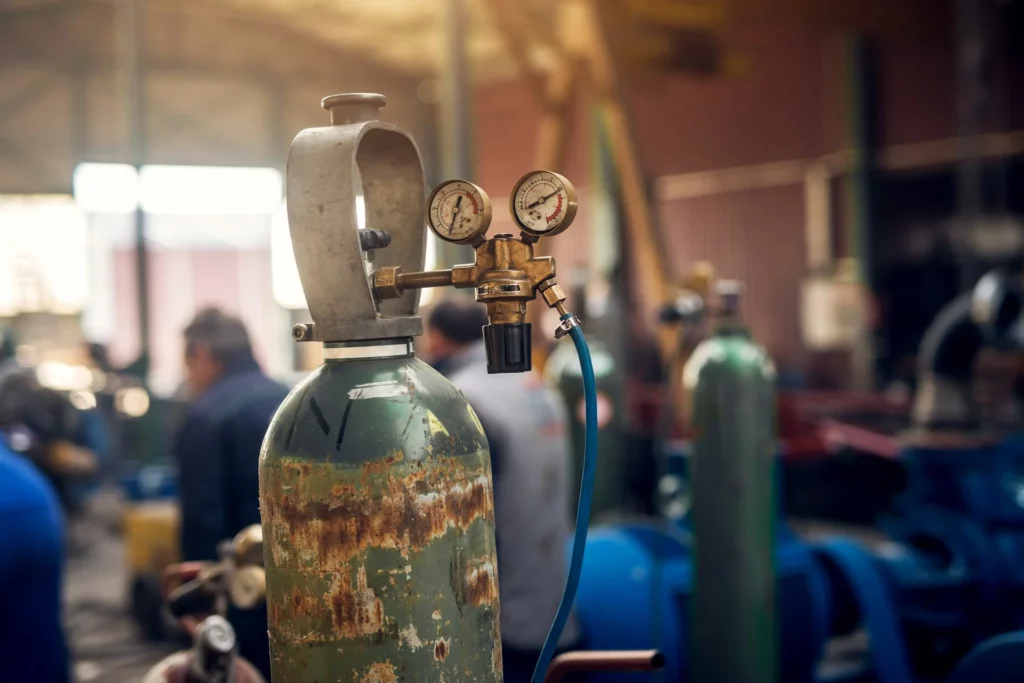
A rusted propane tank used for industrial HVAC services by Dynamic Heating and Cooling in Hamilton, ON.
A rusted propane tank used in industrial HVAC services, showcasing Dynamic Heating and Cooling's expertise in managing specialized equipment in Hamilton, ON.

As homeowners consider various options for heating their homes, furnaces remain a popular choice due to their efficiency and effectiveness. In fact, a recent survey revealed that nearly 75% of Ontario homeowners prefer using furnaces as their primary heating source. Among the different types of furnaces available, the propane furnace stands out for its unique advantages and considerations.

Article Summary

1. Key Takeaways

  • Propane furnaces exceed 90% AFUE efficiency, lowering energy costs.

  • Installation costs 5K + 2K setup fees.

  • Clean-burning fuel with fewer emissions vs. oil or coal.

  • Ideal for remote areas lacking natural gas infrastructure.

  • Outperforms heat pumps in extreme cold (e.g., Ontario winters).

  • Proper sizing via Manual J calculations prevents inefficiency.

  • Propane storage options: above/underground tanks with delivery planning.

  • Safety requires CO detectors, leak checks, and professional inspections.

  • Lifespan: 15–20 years with regular maintenance.

  • Professional installation ensures compliance, safety, and rebate eligibility.

What is a Furnace?

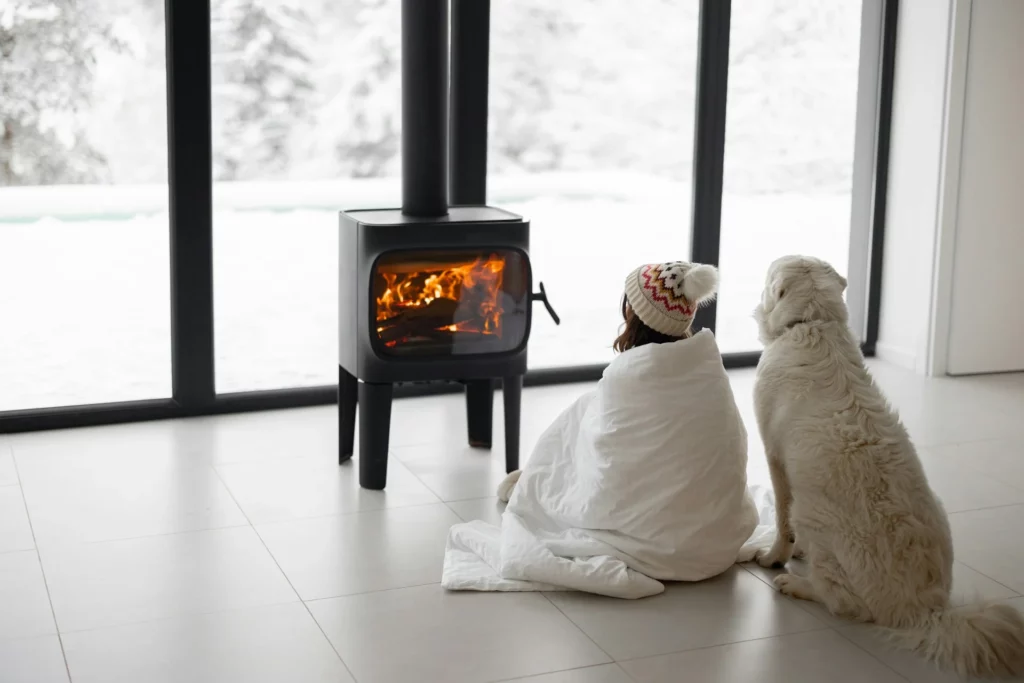
Woman and dog sitting in front of wood burning furnace

A furnace is a heating system that warms a space by circulating hot air through a network of ducts and vents. It uses a fuel source to generate heat, which is then transferred to the air in the home. 

The furnace’s blower motor then pushes the heated air through the ductwork, distributing it throughout the rooms to maintain a comfortable temperature. Furnaces are a central part of many home heating systems, known for providing consistent and efficient warmth.

Consider installing a furnace humidifier to boost your home’s indoor air quality during winter.

Types of Furnaces

Furnaces can be powered by various fuel sources, each with its own advantages and considerations. Here’s a closer look at the different types of furnaces:

Natural Gas Furnaces

Natural gas furnaces are the most common type in areas where natural gas is readily available. They are known for their high efficiency and lower operating costs than other fuel sources. Natural gas furnaces are also praised for their quick heating ability and long-term reliability.

Electric Furnaces

Electric furnaces are a popular choice in areas where natural gas is inaccessible. They use electric heating elements to warm the air, which is then circulated throughout the home. While electric furnaces are generally less expensive to install, they can have higher operating costs due to the price of electricity.

Oil Furnaces

Oil furnaces are an option for homes that do not have access to natural gas and prefer not to use electricity for heating. They use heating oil stored in a tank and require regular deliveries to maintain the fuel supply. Oil furnaces are known for their durability and high heat output, making them suitable for colder climates.

Propane Furnaces

Propane furnaces are an excellent alternative for homes without natural gas service. Propane is stored in a tank on the property and can be refilled as needed. Propane furnaces offer high efficiency, clean burning, and are often more cost-effective than electric furnaces in the long run.

Choosing the right furnace depends on several factors, including the availability of fuel sources in your area, the size of your home, your energy efficiency goals, and your budget. Each type of furnace has its own unique benefits and considerations, so it’s important to weigh your options carefully to find the best fit for your heating needs.

A Closer Look at Propane Gas Furnace
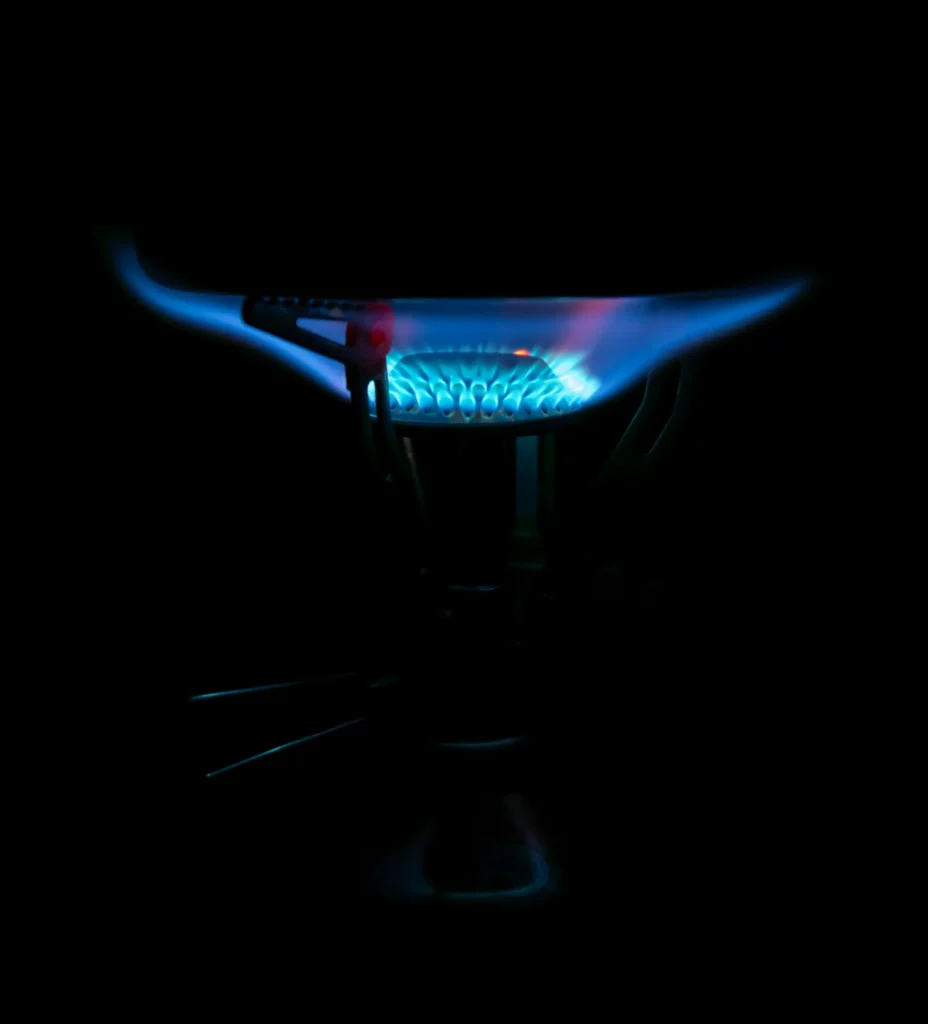
Blue propane furnace gas

A propane gas furnace is a heating system that utilizes propane as its primary fuel source to generate warmth for your home. Propane is a type of liquefied petroleum gas (LPG) that is known for its high energy efficiency and clean-burning properties. Here are some key aspects of propane furnaces:

Efficiency

Propane house furnaces are renowned for their high efficiency. Many models boast Annual Fuel Utilization Efficiency (AFUE) ratings of 90% or higher, meaning that 90% or more of the fuel is converted into usable heat. This efficiency can translate into lower energy bills and reduced environmental impact.

Cost-Effectiveness

While the initial cost of a propane furnace might be higher than some other types, its efficiency can lead to long-term savings. Propane furnaces tend to have lower operating costs compared to electric furnaces, especially in regions where electricity rates are high.

Environmental Friendliness

Propane is considered a clean-burning fuel, meaning it produces fewer emissions compared to oil or coal. This makes propane furnaces an environmentally friendly option for home heating.

Versatility

Propane furnaces are versatile in their installation and usage. They can be used in areas without natural gas infrastructure, making them an excellent choice for rural or remote locations. Additionally, propane tanks can be installed above or below ground, depending on your property’s needs.

Reliability

Propane furnaces are known for their reliability and longevity. With proper maintenance, a propane furnace can last for 15 to 20 years or more. This durability ensures that your investment in a propane heating system will provide comfort for many winters to come.

Safety

Propane has a strong safety record when handled correctly. Propane furnaces have safety features to detect leaks and shut off the system if necessary. However, it’s important to follow safety guidelines and have your furnace regularly inspected by a professional.

In conclusion, a propane gas furnace offers a combination of efficiency, cost-effectiveness, environmental friendliness, and reliability. If you’re considering a propane furnace for your home, it’s important to work with a reputable HVAC contractor to ensure proper sizing, installation, and maintenance for optimal performance and safety.

Sizing Your Propane Furnace: Why It Matters

Choosing the right-sized propane furnace is critical for efficiency and comfort in Hamilton’s harsh winters. An improperly sized unit can lead to wasted energy, uneven heating, and premature wear. Here’s what Hamilton homeowners need to know:

  • Manual J Load Calculations:
    Certified HVAC technicians in Hamilton use Manual J calculations to determine your home’s exact heating needs. This considers:

    • Square footage and ceiling height.

    • Insulation quality (common in older Hamilton homes).

    • Window types and air leakage rates.

    • Local climate data, including Hamilton’s average winter lows (-10°C).

  • Risks of Incorrect Sizing:

    • Oversized Units: Short cycling (frequent on/off cycles), which strains components and raises hydro bills.

    • Undersized Units: Inadequate heating during cold snaps, like Hamilton’s January deep freezes.

  • Hamilton-Specific Tips:

    • Older homes in Dundas or Ancaster often require adjustments for drafty windows or insufficient attic insulation.

    • Pair your propane furnace with a smart thermostat (e.g., Ecobee or Nest) to optimize performance in Hamilton’s variable climate.

RV Propane Furnace

RV parked in front of pine tree

A propane furnace can provide a reliable and efficient heating solution for those who enjoy the RV lifestyle. These furnaces are designed to be compact and powerful, ensuring a comfortable living environment even on the go. Here are some additional details about the RV propane furnace option:


    • Compact Design: RV propane furnaces are engineered to fit into the limited space available in recreational vehicles, ensuring they don’t take up too much room.

    • Efficient Heating: These furnaces are known for their efficient use of propane to generate heat, providing warmth quickly and effectively.

    • Quiet Operation: Modern RV propane furnaces are designed to operate quietly, minimising noise disturbance during use.

    • Easy Installation: Many models are designed for straightforward installation, allowing for quick setup in your RV.

    • Thermostat Control: Equipped with thermostats, these furnaces allow for precise temperature control, ensuring a comfortable environment.

    • Safety Features: Built-in safety features, such as automatic shut-off in case of overheating or gas leaks, provide peace of mind.

    • Portability: The use of propane as a fuel source means you’re not tied to an electrical hookup, offering greater freedom while travelling.

    • Cost-Effective: Propane is generally more cost-effective than electricity, making it an economical choice for heating your RV.

    • Durability: RV propane furnaces are built to withstand the rigors of travel, ensuring reliable performance over time.

Propane Furnace Cost Ontario

Family using Greener Homes Rebate program

The cost of a propane furnace can vary depending on factors such as the size of the unit, its efficiency rating, and the installation requirements. On average, homeowners can expect to pay between $2,000 and $5,000 for a new propane furnace. 

Installation costs can range from $500 to $2,000, depending on the complexity of the installation and any necessary modifications to your home’s existing infrastructure. Propane furnace Canada cost may be influenced by local market prices and availability. Luckily, we offer flexible financing options if you install a furnace with our team.

Propane Supply and Storage Solutions

Propane’s off-grid versatility makes it a practical choice for rural Hamilton areas like Binbrook or Flamborough. To ensure reliable heating during Ontario’s harsh winters, proper storage and supply planning are essential. Here’s how Hamilton homeowners can navigate propane logistics:

1. Tank Options for Hamilton Properties

  • Above-Ground Tanks:

    • Cost: Affordable upfront (1,200–2,500), ideal for short-term or budget-conscious setups.

    • Pros: Easy access for refills and inspections; quick installation.

    • Cons: Requires seasonal maintenance, like snow clearing around the tank to ensure safe access.

    • Local Tip: Position tanks away from driveways to avoid snowplow damage during Hamilton’s heavy snowfall.

  • Underground Tanks:

    • Cost: Higher initial investment (3,000–5,000) but offers long-term durability.

    • Pros: Protects against frost heave and corrosion; blends discreetly into landscaping.

    • Cons: Longer installation time due to excavation permits and soil testing.

    • Local Tip: Ideal for Hamilton properties with strict aesthetic guidelines or limited yard space.

Rental vs. Purchase: What Hamilton Homeowners Should Know

  • Rental Agreements:

    • Popular with providers like Reliance Home Comfort or Superior Propane Hamilton.

    • Pros: No upfront costs; includes maintenance and emergency support.

    • Cons: Long-term contracts (5–10 years) may limit flexibility.

  • Purchasing Outright:

    • Pros: Full ownership saves money over time; no rental fees.

    • Cons: Responsible for maintenance and repairs.

    • Local Insight: Bundling tank purchases with furnace installation (e.g., through Dynamic Heating & Cooling) often unlocks discounts.

3. Delivery Planning for Ontario Winters

  • Schedule automatic deliveries with Hamilton suppliers like Burkholder’s Propane to avoid mid-storm shortages.

  • Use smart tank monitors (e.g., Tank Utility) for real-time fuel-level alerts—critical during Hamilton’s coldest months.

  • Pro Tip: Aim to refill at 30% capacity to account for delivery delays during heavy snowfalls on highways like the 403 or Red Hill Valley Parkway.

4. Safety & Compliance in Hamilton

  • All installations must meet TSSA (Technical Standards & Safety Authority) regulations.

  • Keep tanks 10+ feet from buildings and 25+ feet from ignition sources (e.g., generators or grills).

  • Partner with licensed Hamilton HVAC providers like Dynamic Heating & Cooling for code-compliant setups and safety inspections.

Heat Pump vs Propane Furnace

Woman holding mug wrapped in pink fleece blanket

When comparing a heat pump to a propane furnace, it’s important to consider the climate and energy efficiency. Heat pumps are more efficient in mild climates but may struggle in colder regions, where temperatures frequently drop below freezing. In such conditions, heat pumps may require a backup heating source, which can increase operating costs. 

Propane furnaces, on the other hand, provide consistent and powerful heating even in freezing temperatures, making them a more reliable choice for the cold climates of Ontario. Additionally, propane furnaces tend to have a faster heating response time than heat pumps, quickly warming up your home on chilly days.

Safety Considerations for Propane Furnaces in Hamilton, ON

Propane furnaces are safe when properly maintained, but Hamilton homeowners should prioritize these precautions:

  • Carbon Monoxide (CO) Detection: Install CO detectors near bedrooms and furnaces. Ontario law requires detectors on every floor—test them monthly.

  • Leak Checks: Propane has a distinct odor (like rotten eggs). If detected, evacuate and call a Hamilton HVAC pro like Dynamic Heating & Cooling immediately.

  • Professional Inspections: Schedule annual tune-ups with certified technicians to inspect burners, vents, and gas lines for corrosion or blockages.

  • Ventilation: Ensure vents are unobstructed, especially after heavy snowfall common in Hamilton winters.

Environmental Impact of Propane vs. Other Fuels in Ontario

Propane is a cleaner alternative for eco-conscious homeowners in Hamilton:

  • Lower Emissions: Propane produces 33% fewer greenhouse gases than oil and 12% less than natural gas, per Natural Resources Canada.

  • Efficiency: High AFUE ratings (up to 98%) mean less fuel waste.

  • Renewable Potential: Emerging “bio-propane” from organic waste aligns with Ontario’s sustainability goals.

Comparison for Hamilton Homes:

  • Electric Furnaces: Often rely on Ontario’s grid (60% nuclear/renewable), but struggle in extreme cold.

  • Oil Furnaces: Higher particulate emissions; less ideal for urban Hamilton areas with air quality concerns.

  • Natural Gas: Widely available but lacks propane’s portability for rural Hamilton properties.

Maintenance and Longevity of Propane Furnaces

Regular upkeep maximizes lifespan (15–20 years) and efficiency for Hamilton homeowners:

  • Monthly Tasks: Replace air filters to maintain airflow and indoor air quality.

  • Annual Servicing: Hire Hamilton HVAC experts to clean burners, test thermocouples, and inspect heat exchangers for cracks.

  • Long-Term Care: Lubricate motors and check ductwork every 3–5 years.

Propane Furnace Installation: DIY vs. Professional

While DIY projects might seem cost-effective, propane furnace installation requires expertise:

  • Risks of DIY:

  • Benefits of Professional Installation:

    • Safety Guarantee: Certified Hamilton technicians handle permits, gas line routing, and ventilation.

    • Optimal Efficiency: Proper sizing avoids overworking your furnace in Ontario’s climate.

    • Rebate Eligibility: Many Ontario incentives (e.g., Greener Homes Grant) require professional installation.

Looking for “Propane Furnace Repair Near Me”?

If you’re in need of propane furnace repair or maintenance, Dynamic Heating and Cooling is here to help. Our team of licensed technicians offers expert service backed by a 10-year parts and labour warranty. Contact us today to ensure your propane furnace is running smoothly and efficiently.

In conclusion, a propane furnace can be an excellent choice for home heating, offering reliability, efficiency, and cost savings. Whether you’re considering a propane garage furnace, a direct vent propane furnace, or even a propane wood furnace, it’s important to weigh the pros and cons to determine the best option for your home. 

At Dynamic Heating and Cooling, we’re committed to providing top-quality service for all your propane furnace needs, from installation to repair. Contact us today for a professional consultation.

FAQs

The cost of a propane furnace in Hamilton ranges from $2,000 to $5,000, with installation costs between $500 and $2,000.

You can purchase a propane furnace from local HVAC providers such as Dynamic Heating and Cooling, offering installation and maintenance services.

A propane furnace provides consistent heating even in freezing temperatures, unlike heat pumps, which lose efficiency in extreme cold.

Dynamic Heating and Cooling provides professional propane furnace installation, backed by a 10-year parts and labour warranty.

Propane furnaces offer high efficiency (90%+ AFUE), lower energy bills, clean-burning fuel, and reliable performance in extreme cold.

With proper maintenance, a propane furnace can last 15 to 20 years or more.

Yes, propane furnaces have high efficiency and lower operating costs compared to electric heating, helping you save on energy bills.

Regular maintenance includes cleaning filters, checking for leaks, inspecting the burner, and ensuring the system runs efficiently.

Dynamic Heating and Cooling offers expert propane furnace repair and maintenance services to keep your heating system running efficiently.

A propane furnace is a heating system that uses propane gas as its fuel source to generate heat for your home. It circulates warm air through ducts and vents, providing consistent and efficient heating. Propane furnaces are ideal for areas without natural gas infrastructure, like rural or remote locations.

Propane furnaces are highly efficient, with many models boasting AFUE (Annual Fuel Utilization Efficiency) ratings of 90% or higher. This means over 90% of the propane is converted into usable heat, reducing energy waste and lowering heating bills.

Propane furnaces outperform heat pumps in colder climates like Hamilton’s. While heat pumps struggle in freezing temperatures, propane furnaces provide consistent, fast heating even in extreme cold, making them a more reliable choice for Ontario winters.

Yes, propane furnaces are designed to perform reliably in extreme cold, making them an excellent choice for Hamilton’s harsh winters. They provide consistent and powerful heating, even when temperatures drop below freezing.

Propane furnaces are eco-friendly because propane is a clean-burning fuel that produces fewer emissions compared to oil or coal. This makes them a greener heating option for environmentally conscious homeowners in Hamilton.

The initial installation cost of a propane furnace can be higher than other options. Propane prices can fluctuate, affecting heating costs. Additionally, a propane tank is required, which may take up space on your property.

Yes, propane furnaces are suitable for areas without natural gas infrastructure, making them an excellent choice for rural or remote locations.

Yes, propane furnaces can be integrated with heat pumps in a dual fuel setup. This combination leverages the efficiency of heat pumps in milder temperatures and switches to propane for consistent heating in extreme cold.

Facebook
Twitter
LinkedIn

Table of Contents

Contact an HVAC Technician

5 Star Rating

730+ Google Reviews

No matter the time of day, we’re here to help with your HVAC emergencies.

289-962-4811
24/7 Services Available