289-962-4811

24/7 Services Available


Red maple leaf Proudly Family-Owned
289-962-4811
24/7 Services Available

Blog & Resources

Furnace Humidifier Guide for Hamilton Homes | Benefits & Tips

Discover how a humidifier for furnace can enhance your indoor air quality and comfort. Learn about its benefits and choose the best one for your home.
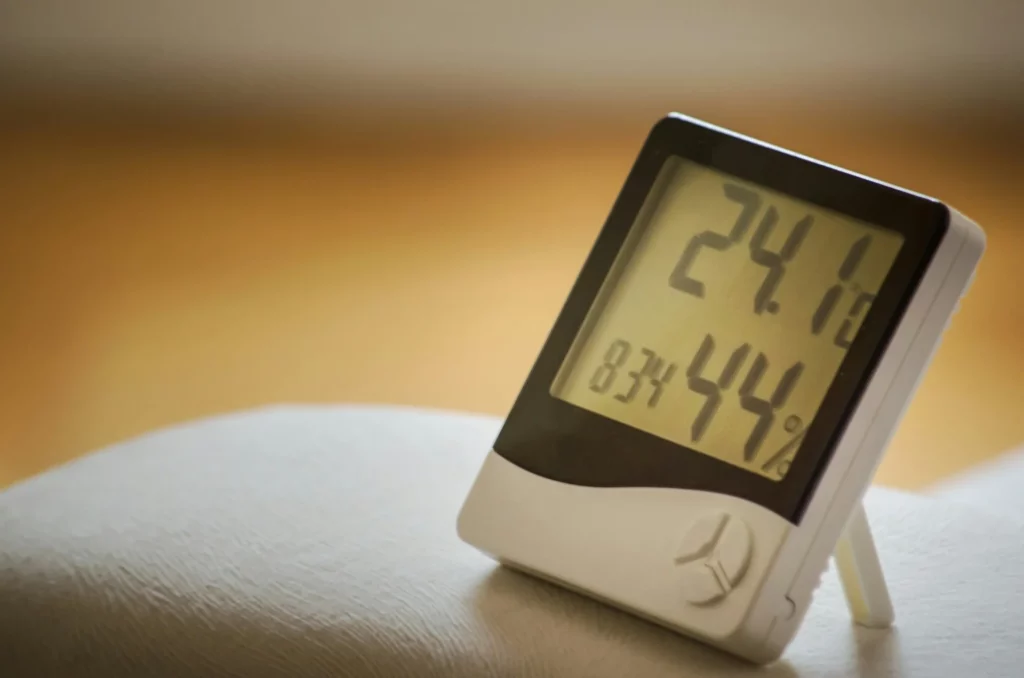
White thermostat displaying temperature

A furnace humidifier is a whole-home device installed into your HVAC ductwork that adds moisture to the warm air your furnace circulates. It keeps indoor humidity in the ideal 30–50% range during dry Ontario winters — easing dry skin, sore throats, and static, protecting wood floors and furniture, and making your home feel warmer at a lower thermostat setting.

With the average person spending roughly 90% of their time indoors, keeping that air properly humidified matters for both health and comfort — especially through Hamilton’s long heating season.

Article Summary:

This guide highlights furnace humidifiers as vital for maintaining Hamilton’s indoor air quality and comfort. Integrated with HVAC systems, they add moisture to heated air, balancing humidity (30–50%) to ease respiratory issues, protect wood furnishings, and lower heating costs. Key sections include:

  • Operation: Seamless HVAC integration distributes humidity evenly.

  • Health/Safety: Prevents dry air ailments while avoiding mold via controlled humidity.

  • Types: Steam (precise, large homes), bypass (affordable), fan-powered (efficient), drum (budget-friendly).

  • Selection: Match home size, humidity needs, and energy efficiency; prioritize professional installation in Hamilton.

  • Costs: $150–$1,200+ upfront, plus installation; long-term savings via 5–10% reduced heating bills.

  • Maintenance: Monthly filter changes, annual HVAC check-ups, and hard water management.

  • Seasonal Adjustments: Winter (30–40% humidity), summer (25–35%), with lake proximity and home age influencing settings.

What Should a Furnace Humidifier Be Set At?

Set your furnace humidifier between 30% and 50% relative humidity, adjusting with the weather. A good rule of thumb is around 40–45% in mild conditions, dropping toward 30–35% in deep cold to prevent window condensation. If you see moisture or frost on the glass, lower the setting

  • Vs. Portables: Whole-home consistency vs. room-specific flexibility; furnace models ideal for Hamilton’s winters.

  • Local Tips: Combat hard water with softeners, leverage HVAC experts for climate-tailored solutions.

How Does a Furnace Humidifier Work?

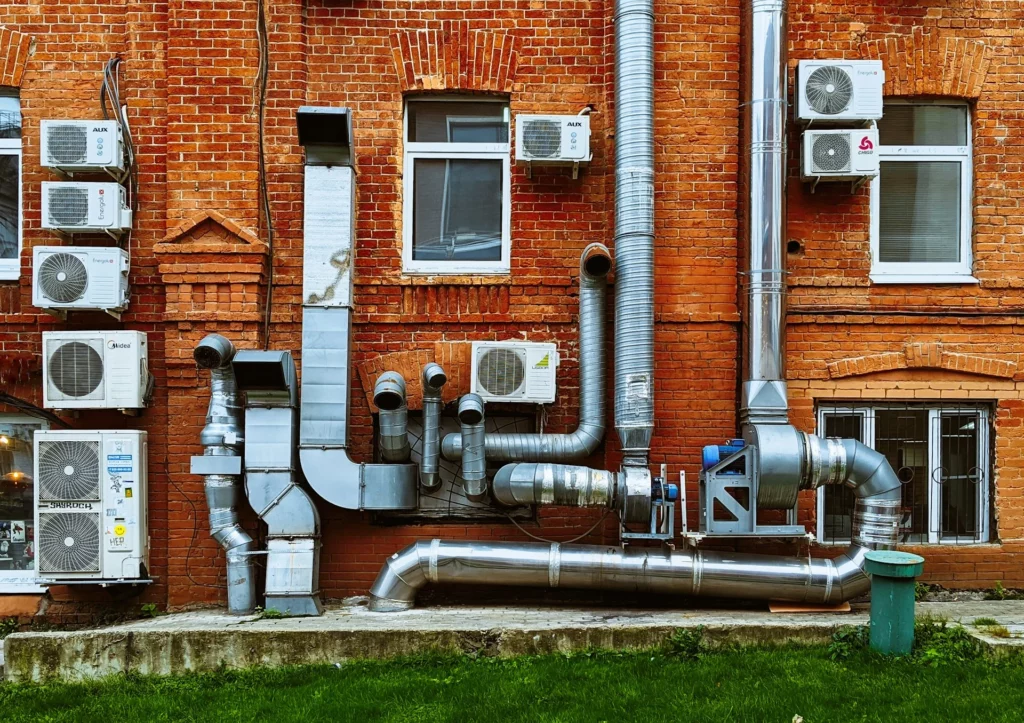
Grey furnace pipes against red brick wall

A furnace humidifier works by adding moisture to the heated air as it leaves your furnace. Installed in the ductwork, it draws water through a pad, drum, or steam element and releases that moisture into the warm air stream, which your HVAC system then distributes evenly through every room.

Integration with the HVAC System

The furnace humidifier is typically installed in the ductwork near the furnace. This strategic placement ensures that as the furnace heats the air, the humidifier can effectively introduce moisture into this air stream, which is then distributed throughout your home.

Adding Moisture to Circulated Air

As the heated air passes through the furnace humidifier, it absorbs moisture, increasing the overall humidity levels in your home. This added moisture is crucial, especially during the dry winter months, when indoor air tends to become uncomfortably dry due to constant heating.

Importance of Optimal Humidity Levels

Maintaining optimal humidity levels is essential for both health and comfort. Dry indoor air can lead to various issues, such as dry skin, irritated sinuses, and other respiratory conditions. Humidifiers for furnaces help alleviate these symptoms by ensuring that the air circulated throughout your home is properly humidified.

Health & Safety: Avoiding Over-Humidification

While furnace humidifiers improve air quality, excess humidity can harm your home and health. Follow these guidelines for safe operation in Hamilton:

  • Optimal Humidity Levels:
    Maintain 30–50% humidity (use a hygrometer). Levels above 60% encourage mold growth—a common issue in Hamilton’s damp basements.

  • Risks of Over-Humidification:

    • Mold & Mildew: Thrives in humid areas like bathrooms or basements.

    • Dust Mites: Increase allergens in bedding and upholstery.

    • Structural Damage: Warped wood floors or peeling paint.

  • Preventive Measures:

    • Clean humidifier pads/filters monthly to prevent microbial buildup.

    • Use humidistats with auto-shutoff features.

    • Ventilate kitchens and bathrooms to balance moisture.

Do I Need a Furnace Humidifier?

Not every home needs one, but most Ontario homes benefit from a furnace humidifier in winter. If you notice dry skin, static shocks, cracking hardwood, or frequent sore throats when the heat is running, your indoor air is likely below the healthy 30–50% range — and a furnace humidifier is worth it.

Do all furnaces have humidifiers? No. A humidifier is a separate add-on. Most furnaces don’t include one by default, but nearly any forced-air furnace can have one installed.

Health Benefits

Woman coughing in bed

A furnace humidifier plays a crucial role in alleviating various health issues associated with dry indoor air. By maintaining optimal humidity levels, humidifiers for furnaces help to soothe these symptoms. 

Additionally, it aids in preventing the spread of airborne viruses, which are known to thrive in low-humidity environments. This can be particularly beneficial in reducing the incidence of colds and flu in your household.

Home Protection

The benefits of a furnace humidifier extend to protecting your home and belongings. Wooden furniture, hardwood floors, and musical instruments are all susceptible to damage from dry air. 

Due to a lack of moisture, they can crack, warp, or become brittle over time. By ensuring that your indoor air has the right humidity level, you can preserve the integrity and longevity of these valuable items.

Does My Furnace Already Have a Humidifier?

No — most standard furnaces do not come with a humidifier built in. A furnace humidifier is a separate add-on unit installed alongside your furnace, connected to your home’s water line and ductwork, that adds moisture to the air as it’s heated and distributed through your home. If you’re not sure whether yours has one, look for a small unit mounted directly on the ductwork near your furnace, usually with a water line running into it — if you don’t see one, your system is heating dry air with no added humidity.

Do they actually work?

Yes, when sized correctly and properly maintained. A furnace humidifier raises whole-home humidity as air circulates, which is a meaningfully different (and generally more effective for whole-house comfort) approach than a portable room humidifier, which only treats one space at a time.

Types of furnace humidifiers

Furnace Humidifier - Steam coming out of metallic pipe

There are four main types of furnace humidifiers — steam, bypass, fan-powered, and drum. They differ in how they add moisture, how much they cost, and the home size they suit best. Here’s how each one works.

Steam furnace humidifier

A steam furnace humidifier is a highly effective solution for adding moisture to your home’s air. Unlike other types of humidifiers, a steam humidifier operates independently of the furnace. 

It means that it can provide precise humidity control regardless of whether the heating system is active. This feature makes it an excellent choice for year-round use, ensuring consistent comfort even in the warmer months.

A steam humidifier is particularly well-suited for larger homes or those with higher humidity needs. They generate steam by heating water electrically and then distributing it through the HVAC system. This method allows for accurate humidity levels, which can be especially beneficial for individuals with specific health conditions that require a certain moisture level in the air.

Bypass Humidifier for House Furnace

Many homeowners choose bypass humidifiers. They are installed in the furnace’s return air duct and use the furnace’s blower to circulate humidified air throughout the home. 

As air passes through the humidifier, it absorbs moisture from a water panel and carries it into the living spaces. Bypass humidifiers are generally more affordable and are suitable for small to medium-sized homes.

Fan-Powered Humidifiers for Furnace

Fan-powered humidifiers are similar to bypass humidifiers, but they include a built-in fan that helps push air through the humidifier. This added power makes them more efficient at distributing moisture, making them a good option for larger homes. Additionally, because they don’t rely solely on the furnace’s blower, they can add humidity to the air even when the heating system is not in use.

Drum Humidifiers for Furnaces

Drum humidifiers are a more traditional option and consist of a rotating drum that passes through a water reservoir. As the drum rotates, it picks up water, and the furnace’s warm air evaporates this water as it passes over the drum, adding moisture to the air. Drum humidifiers are typically more affordable and are suitable for smaller homes. However, they require regular maintenance to prevent mould growth in the water reservoir.

In summary, when choosing a furnace humidifier, it’s important to consider the size of your home, your specific humidity needs, and the level of maintenance you’re willing to undertake. Whether you opt for a steam furnace humidifier, a bypass, fan-powered, or drum humidifier, ensuring proper installation and regular maintenance is key to achieving optimal indoor air quality and comfort.

Which Furnace Humidifier Is Best for You?

The best furnace humidifier depends on your home’s size, budget, and how much control you want:

  • Best for large homes or precise control — Steam: Runs independently of the furnace, strongest output, works year-round.
  • Best all-rounder — Fan-powered (power) humidifiers: Efficient and effective even when the furnace isn’t actively heating; ideal for mid-to-large homes.
  • Best value — Bypass: Affordable and reliable for small-to-medium homes.
  • Best for tight budgets / small homes — Drum: Cheapest upfront, but needs the most maintenance.

Not sure which fits your home? Our team offers a free consultation to match a unit to your home size and Hamilton’s climate.

Choosing the Best furnace humidifier for Your Home

Living room with natural lighting

Selecting the best furnace humidifier for your home requires careful consideration of several key factors to ensure optimal performance and comfort. Here are some important aspects to keep in mind:

Size and Capacity

The size and capacity of the furnace humidifier are critical for effectively maintaining desired humidity levels. A humidifier that’s too small for your space may struggle to keep up, while one that’s too large could lead to excessive humidity. Consider the square footage of your home and the typical dryness of your indoor air when choosing the right size.

Installation Process & Considerations for Furnace Humidifiers

Installing a humidifier for your furnace requires precision to ensure compatibility with your HVAC system and local climate needs. Here’s what Hamilton homeowners should know:

  • Professional Installation Recommended:
    Licensed HVAC technicians in Hamilton, ON, like those at Dynamic Heating and Cooling, understand regional building codes and furnace models common in the area (e.g., high-efficiency systems in older Hamilton homes). DIY installation risks improper sealing, water leaks, or HVAC damage.

  • Key Installation Steps:

    • Ductwork Integration: Mounted on the supply/return plenum near the furnace.

    • Water Line Connection: Requires access to your home’s plumbing (common in Hamilton’s basements).

    • Electrical Setup: Hardwired to your electrical panel for steam models.

    • Humidistat Placement: Installed near your thermostat for accurate humidity readings.

  • Local Considerations:

    • Hard Water: Hamilton’s water has high mineral content; a water softener or frequent filter changes may be needed.

    • Space Constraints: Compact basement layouts in older Hamilton homes may require custom duct adjustments.

Type of Humidifier

There are various types of humidifiers for furnaces, each with its own advantages:

  • Steam: Precise humidity control; ideal for larger homes or higher humidity needs.
  • Bypass: Affordable; suited to small-to-medium homes.
  • Fan-powered: More efficient than bypass; handles larger homes.
  • Drum: Budget-friendly for smaller homes, but needs more maintenance

Energy Efficiency

Consider the energy efficiency of the humidifiers for furnaces. An energy-efficient model can help reduce your utility bills and environmental impact. Look for features like automatic humidity control, which adjusts the humidity level based on real-time needs, to enhance efficiency.

Warranty and Brand Reputation

A good warranty can provide peace of mind and protect your investment. Look for brands with a strong reputation for quality and customer service. Reading reviews and seeking recommendations can also help you find a reliable humidifier for your furnace.

How Much Is a Humidifier for Your Furnace in Canada?

TypeUnit Cost (CAD)Best For
Bypass / drum$150 – $400Small to medium homes; most affordable
Fan-powered$250 – $500Medium homes; works without full furnace airflow
Steam$500 – $1,200+Larger homes; precise, year-round humidity control
Professional installation (all types)$200 – $500Varies with plumbing/electrical access
Family using Greener Homes Rebate program

A furnace humidifier in Canada typically costs $150–$1,200+ for the unit, plus $200–$500 for professional installation. Price depends mainly on the type:

  • Basic bypass or drum humidifiers: $150–$400 — the most affordable option.
  • Fan-powered humidifiers: $250–$500 — a step up, thanks to the built-in fan.
  • Steam humidifiers: $500–$1,200+ — the most advanced and precise, and the priciest.

Installation costs vary with the complexity of your setup and your home’s plumbing and electrical access.

Energy Efficiency & Long-Term Savings

A well-maintained furnace humidifier can lower heating bills and extend HVAC lifespan. Here’s how Hamilton homeowners benefit:

  • Humidity’s Heating Effect:
    Moist air feels warmer, letting you lower your thermostat by a degree or two (about 1–2°C) without sacrificing comfort—ideal for Hamilton’s cold winters.

  • Cost Savings Breakdown:

    • Modest heating savings: Because moist air feels warmer, your furnace doesn’t have to run as hard — many homeowners see a modest reduction in their winter heating bills.

    • Most efficient to run: Bypass and fan-powered models use very little energy. Steam units give the most precise control but use more electricity, so choose based on comfort needs rather than energy savings alone

  • Energy-Efficient Features to Look For:

    • Automatic Humidity Control: Adjusts output based on outdoor temps (critical for Hamilton’s fluctuating winters).

    • Low Water Usage: Bypass models use less water than steam.

Troubleshooting Common Issues

  • Low Humidity Output:

    • Cause: Clogged filter (common with Hamilton’s hard water).

    • Fix: Replace the filter for furnace humidifier every 1–3 months.

  • Water Leaks:

    • Cause: Loose drain line or cracked tray.

    • Fix: Tighten connections or replace damaged parts.

  • Unusual Noises:

    • Cause: Mineral buildup in steam models.

    • Fix: Flush the unit with white vinegar.

Maintenance of Your Furnace Humidifier

Two repairmen repairing pipes

Regular maintenance is essential to ensure that your furnace humidifier continues to operate efficiently and effectively. Here are some key maintenance tasks to keep in mind:

Changing the Filter for Furnace Humidifier

The filter for furnace humidifier plays a crucial role in the humidification process. Over time, it can become clogged with mineral deposits and other debris, which can reduce the efficiency of your humidifier. To prevent this, it’s important to change the filter at least once per heating season, or more frequently if you have hard water or use your humidifier extensively.

Annual Inspections

Scheduling annual inspections with a professional HVAC service is crucial for maintaining the health of your humidifier. During these inspections, a technician will thoroughly clean and inspect your humidifier to ensure that all components are functioning properly. This can help prevent issues like mould growth and water leaks, which can affect the performance of your humidifier and the overall air quality in your home.

Furnace Health
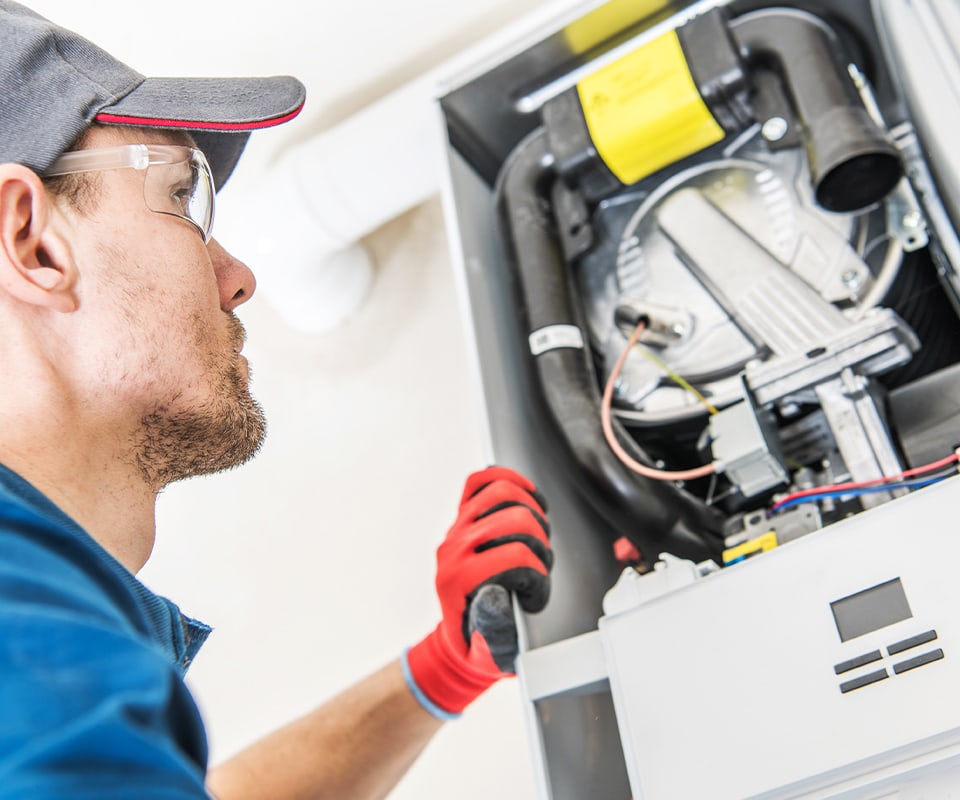
Furnace repair technician in Hamilton

Maintaining the health of your furnace and its humidifier is essential for ensuring a comfortable and healthy indoor environment. Here are some tips for keeping your furnace in top condition:

  • Regular check-ups: Clean or replace the air filter, inspect the heat exchanger, and check the blower motor.
  • Timely repairs: Address strange noises or uneven heating early before they become costly.
  • Professional maintenance: Our licensed team handles furnace and HVAC maintenance, repairs, and installation.

By staying on top of maintenance for your humidifier and furnace, you can prevent breakdowns, extend the lifespan of your HVAC system, and enjoy a more comfortable and healthy home.

Seasonal Use & Adjustments in Southern Ontario

Hamilton’s climate demands seasonal tweaks to your furnace humidifier settings:

  • Winter (October–March):

    • Set humidity to 30–40% to combat dry air from heating.

    • Monitor for ice buildup on windows (a sign of excess humidity).

  • Summer (April–September):

    • Shut off or reduce humidity to 25–35% to avoid muggy air.

    • Use dehumidifiers in basements to prevent mold.

  • Climate-Specific Tips:

    • Lake Ontario Proximity: Higher humidity in lakeside neighborhoods (e.g., Stoney Creek) may require lower settings.

    • Older Homes: Drafty windows in Hamilton’s heritage homes may necessitate higher winter humidity.

Furnace Humidifiers vs. Portable Units: A Hamilton Comparison

Choosing the right humidifier for your Hamilton home depends on your household size, lifestyle, and local climate. Here’s a detailed breakdown to help you decide:

Furnace Humidifiers: Whole-Home Comfort

  • Coverage: Ideal for entire homes, furnace humidifiers integrate directly with your HVAC system, distributing balanced moisture through ductwork. This is especially effective in larger Hamilton homes or heritage properties with drafty windows, where consistent humidity is key to winter comfort.

  • Maintenance: Requires minimal effort—replace the filter annually (more frequently if dealing with Hamilton’s hard water) and schedule professional servicing. Local HVAC experts like Dynamic Heating and Cooling recommend annual inspections to prevent mineral buildup.

  • Cost: Higher upfront investment ($150–$1,200 + installation), but offers long-term savings through energy efficiency and reduced heating bills during Hamilton’s harsh winters.

  • Best For: Families, allergy sufferers, or homeowners seeking hassle-free, year-round humidity control.

Portable Humidifiers: Flexible, Room-Specific Solutions

  • Coverage: Designed for single rooms, portable units are ideal for renters in Hamilton’s downtown apartments or smaller spaces like bedrooms. However, they struggle to maintain consistent humidity in open-concept layouts common in newer Hamilton condos.

  • Maintenance: Daily refilling and weekly cleaning are necessary to prevent mold—a concern given Hamilton’s hard water, which can accelerate mineral deposits in tanks.

  • Cost: Affordable upfront ($50–$300), but ongoing costs for filters and higher electricity use add up over time.

  • Best For: Temporary needs, students, or those unable to modify rental properties (e.g., Hamilton’s high-rise renters).

Local Considerations for Hamilton Residents

  • Climate Compatibility: Furnace humidifiers excel in Southern Ontario’s dry winters, reducing static electricity and protecting hardwood floors common in Hamilton’s older homes. Portable units may suffice in summer but lack the power for whole-home winter needs.

  • Water Quality: Hamilton’s hard water can clog both systems. Opt for models with built-in filters or pair with a water softener.

  • Space Constraints: Compact basements in Hamilton’s older neighborhoods may require custom HVAC adjustments for furnace humidifiers, while portable units offer plug-and-play convenience.

Expert Recommendation
For most Hamilton homeowners, furnace humidifiers provide superior comfort and value, particularly in colder months. Renters or those in smaller spaces may prefer portable units temporarily. Dynamic Heating and Cooling offers free consultations to assess your home’s needs, ensuring you choose a system tailored to Hamilton’s climate and your lifestyle.

Conclusions

Investing in a furnace humidifier significantly enhances indoor air quality, health, and home comfort, particularly in Hamilton’s dry winters. By maintaining optimal humidity levels (30–50%), homeowners can alleviate respiratory issues, protect wooden furnishings, and reduce energy costs. Various types—steam, bypass, fan-powered, and drum—offer solutions tailored to home size and needs. While $150 to $1,200 +, long-term savings and health benefits justify the investment. Regular maintenance (e.g., filter changes, annual inspections) ensures efficiency and prevents mold risks. For Hamilton residents, professional installation and climate-specific adjustments are critical. Furnace humidifiers outperform portable units for whole-home comfort, making them a wise choice for most households.

Contact Dynamic Heating and Cooling Today 

Commercial HVAC service van in Hamilton

Contact Dynamic Heating and Cooling to schedule a consultation about humidifiers for furnaces. Our team of experts will help you choose the best humidifier for your furnace, ensuring a healthier and more comfortable living space for you and your family.

FAQs

A licensed HVAC professional should install a furnace humidifier to ensure proper integration with your HVAC system and avoid potential issues.

A furnace humidifier improves indoor air quality, alleviates dry skin and respiratory issues, protects wooden furniture, and enhances overall home comfort.

A furnace humidifier is typically installed in the ductwork near the furnace to effectively distribute moisture throughout your home.

In Canada, a furnace humidifier is essential during dry winter months to combat low humidity levels caused by heating systems, improving health and home comfort.

A furnace humidifier integrates with your HVAC system, adding moisture to the heated air circulated throughout your home, maintaining optimal humidity levels.

Yes, a furnace humidifier improves indoor air quality by maintaining proper humidity levels, reducing dryness, and alleviating health issues like dry skin and respiratory irritation.

The main types of furnace humidifiers include steam, bypass, fan-powered, and drum humidifiers, each suited for different home sizes and needs.

The cost varies by type: bypass humidifiers range from CAD $150–$400, fan-powered models from CAD $250–$500, and steam humidifiers from CAD $500–$1,200, plus installation fees.

Maintain a furnace humidifier by changing the filter regularly, scheduling annual inspections, and ensuring proper cleaning to prevent mold and mineral buildup.

The best furnace humidifier depends on your home size, humidity needs, and budget. Steam humidifiers are ideal for larger homes, while bypass or drum models suit smaller spaces.


No. A humidifier is a separate add-on, not standard equipment. Most furnaces don't come with one, but nearly any forced-air furnace can have a humidifier installed by a licensed HVAC technician.

Set it between 30% and 50% relative humidity — around 40–45% in mild weather, dropping to 30–35% in deep cold. If you see condensation or frost on your windows, lower the setting.

For most Ontario homes, yes. They ease dry-air symptoms, protect wood floors and furniture, and make your home feel warmer at a lower thermostat setting — valuable through Hamilton's long, dry heating season.

Disclaimer: This article is for general informational purposes only. Cost ranges, humidity settings, and energy-savings estimates are approximate and vary by home size, insulation, water quality, humidifier type, and local pricing at the time of service. This content is not a substitute for a professional in-home assessment, and furnace humidifier installation should be carried out by a licensed HVAC technician. For recommendations and pricing specific to your home, contact Dynamic Heating and Cooling for a consultation

Facebook
Twitter
LinkedIn

Table of Contents

Contact an HVAC Technician

5 Star Rating

800+ Google Reviews

No matter the time of day, we’re here to help with your HVAC emergencies.

289-962-4811
24/7 Services Available