
 Proudly Family-Owned
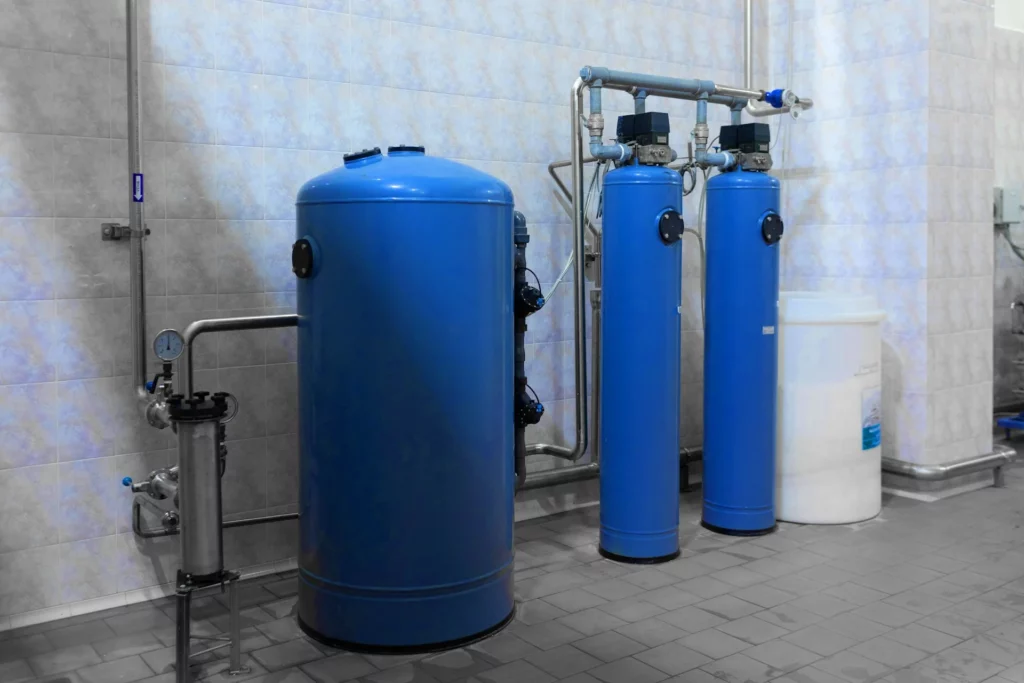
A hot water tank leaking from the bottom usually comes down to one of four causes: a loose or faulty drain valve, internal tank corrosion, a discharging temperature & pressure relief valve, or a top-connection leak running down the tank. First, shut off the power (breaker or gas dial) and close the cold-water inlet — then find the source below.
Discover why your hot water tank is leaking from the bottom and how to fix it. Learn the top 4 causes, from faulty valves to corrosion, and get expert tips to prevent costly damage.
Key Takeaways
Key Takeaways
-
4 Main Leak Causes: Faulty drain valves, internal corrosion, malfunctioning T&P relief valves, and loose inlet/outlet connections.
-
Preventative Maintenance: Annual flushing, anode rod checks, T&P valve testing, and thermostat adjustments (120-130°F).
-
Emergency Steps: Turn off water/power immediately, inspect connections, and call professionals for gas/electrical risks.
-
Diagnosis Guide: Trace leaks to valves, sediment buildup (common in Hamilton’s hard water), or tank cracks.
-
Water Quality Impact: Hard water accelerates corrosion; whole-house filters/softeners extend tank lifespan.
-
Repair vs. Replace: Repair if under 8 years old; replace if over 10 years, frequent leaks, or repair costs exceed 50% of new unit.
-
Safety Risks: Leaks can cause flooding, mold, electrical hazards, or tank explosions if unaddressed.
-
Cost Factors: $300–$2,000+; ENERGY STAR® models qualify for Ontario rebates.
-
Insurance/Warranty: Document damage for claims; use licensed pros (e.g., Dynamic Heating & Cooling) to maintain coverage.
-
Local Expertise: Hamilton’s hard water requires tailored solutions (e.g., filtration, sediment flushing) for HVAC longevity.
Water pooling under your tank? Shut off the cold water valve at the top of the tank and cut the power — the breaker for an electric heater, the gas valve to “off” for gas. Then find the source. Water coming from the bottom of the tank usually means internal corrosion, and a corroded tank can’t be repaired — only replaced. A drip from a valve or a fitting at the top is often a straightforward repair. Most tanks last 8–12 years; if yours is older than that and leaking from the base, plan on a replacement
Despite diligent care, issues such as a hot water tank leaking from bottom can still emerge. This problem, while alarming, is more common than you might think and is often quite fixable.
Whether you’re dealing with a hot water tank dripping, a full-scale water heater tank leaking, or just suspect your water heater is leaking from the relief valve, it’s important to handle these issues promptly.
Learn more about HVAC maintenance in our blog to keep your home warm and leakage-free.

Why Is My Hot Water Tank Leaking From the Bottom? The 4 Causes
The frustration of discovering your hot water tank leaking from bottom can be overwhelming. Recognizing the primary causes can help you determine the right course of action quickly. Here are four common reasons for these leaks, and how they each can impact the functionality and safety of your water heater:
| Cause | Where the Leak Shows | Severity | What to Do |
|---|---|---|---|
| 1. Faulty drain valve | Consistent minor drip at the drain valve (bottom) | Low — often a simple fix | Check the valve is fully closed; replace it if the drip persists |
| 2. Corrosion inside the tank | Moisture or pooling at the tank base; cloudy or gritty water | High — usually means the tank is failing | Call a professional; annual flushing and anode-rod checks prevent it |
| 3. Faulty T&P relief valve | Leak from the relief valve or its discharge pipe | Serious — it’s a safety device | Lift the test lever to check flow; replace promptly if it fails |
| 4. Loose inlet/outlet connections | Drip where the pipes meet the tank top — can pool at the base and look like a bottom leak | Low — often DIY | Tighten the fittings with a wrench; call us if the leak continues |
1. Faulty Drain Valve
One prevalent reason for a hot water tank leaking from bottom is a faulty drain valve. These valves are crucial for periodic maintenance and draining the tank to remove sediment.
Over time, however, drain valves can wear out or become loose, leading to a hot water tank dripping scenario. This issue can often be identified by a consistent but minor leak from the valve itself. Regular inspections can prevent such issues or at least catch them before they turn into bigger problems.
What Can You Do About This?
If you suspect the drain valve is the problem, it’s often a simple fix. First, check if the valve is fully closed; sometimes it might not be properly shut. If the leak persists, the valve may need to be replaced. If the leak persists after checking that the valve is fully closed, the valve needs replacing. Our Hamilton technicians can handle it without risking damage to the tank — we’re available 24/7. To ensure a proper replacement is done without risking further damage to your water heater.
2. Hot Water Tank Leaking From Bottom Corrosion Inside the Tank
Corrosion inside the tank is another major cause of a water heater tank leaking. This type of damage is insidious and can lead to significant water damage if not addressed.
The primary contributor to this issue is sediment buildup inside the tank, which interacts chemically with the tank material over time, leading to corrosion. Regularly flushing your tank annually is crucial to prevent this sediment buildup, helping extend the lifespan of your tank and preventing leaks. Installing a whole house water filter can provide additional help in combating corrosion.
What Can You Do About This?
To combat corrosion, schedule regular tank flushing and maintenance checks with an HVAC expert team. During these checks, a technician can assess the anode rod, which also helps protect the tank from corrosion. If the rod is depleted, replacing it can further prevent corrosive damage.
3. Hot Water Tank Leaking From Bottom: Faulty T&P Relief Valve
A hot water tank relief valve leaking is a serious issue, as the T&P valve is a safety feature designed to prevent the tank from building up excessive pressure, which could cause the tank to burst. If this valve starts leaking, it could be a sign that it is either malfunctioning or that it’s responding to too much pressure or heat within the tank.
If the leak is due to excessive pressure, other aspects of your system may need adjustment, such as the thermostat or the heating element. Checking and replacing a faulty T&P valve promptly is crucial.
What Can You Do About This?
Regularly check the T&P valve by lifting the test lever and watching for a proper flow of water into the drain. If the flow is minimal or the valve doesn’t close properly, it’s time for a replacement. Given the critical nature of this part, consider hiring an HVAC professional from Dynamic Heating and Cooling to handle the replacement and ensure your system’s safety and efficiency.
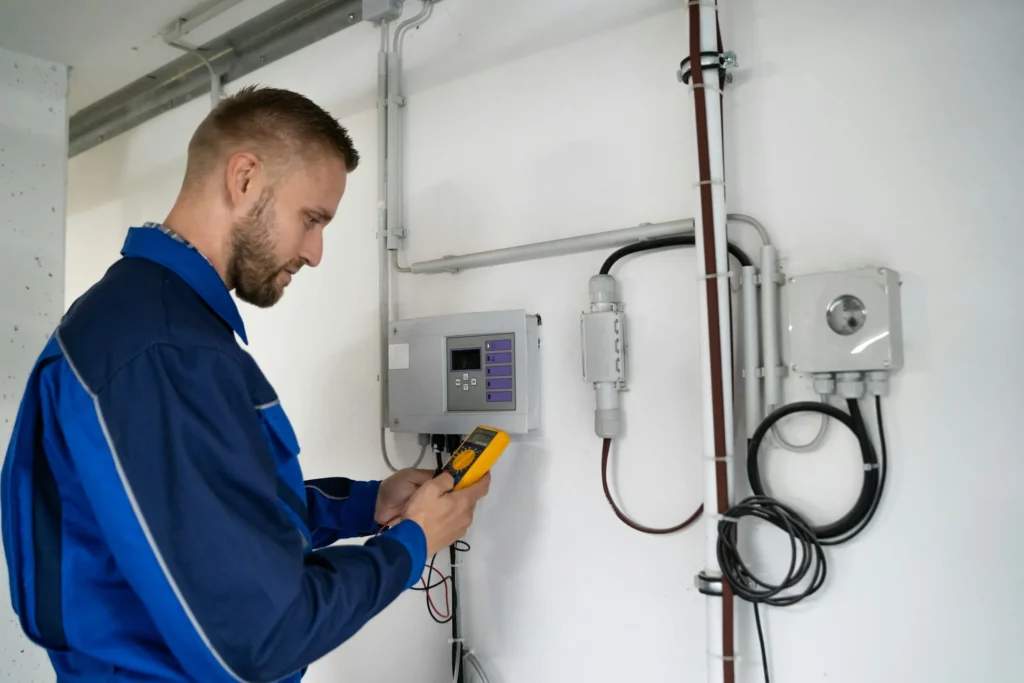
4. Loose Inlet or Outlet Connections (Usually a Top Leak)
Loose inlet and outlet connections are the most common cause of a leak at the top of the tank. These fittings work loose over time through thermal expansion and contraction, or were never tightened properly at installation. You’ll usually see the drip right where the pipes meet the tank — and because water runs downhill, it can pool at the base and look like a bottom leak
What Can You Do About This?
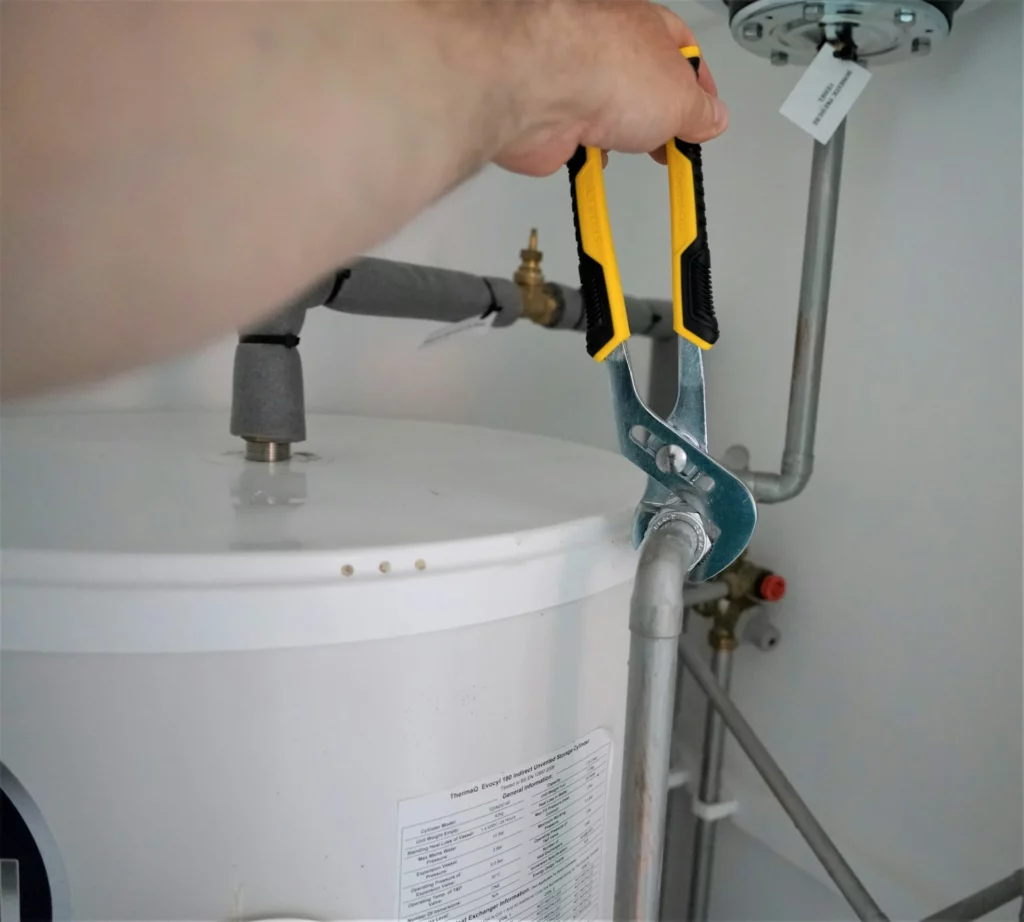
Examine the connections at the top of your hot water tank. You can often tighten these connections yourself with a wrench. However, if you’re not comfortable doing this or if the leak continues despite your efforts, it’s advisable to call in the experts. Dynamic Heating and Cooling’s technicians can ensure that all connections are secure and leak-free, preventing any future issues.
Hot Water Tank Leaking From the Top
A leak from the top of your tank is usually better news than a leak from the bottom — it’s far more likely to be a repairable fitting than a failed tank. Check these in order:
- Cold water inlet or hot water outlet connections. The most common top leak by far. Thermal cycling works these fittings loose over the years. Often fixed by tightening the connection or replacing a worn washer.
- T&P (temperature and pressure) relief valve. If it’s discharging, either the valve has failed or it’s doing its job because pressure or temperature inside the tank is too high. Both need attention — this is the valve that stops a tank from bursting, so it’s never the one to ignore or cap.
- Anode rod port. The threaded fitting where the anode rod enters the top of the tank can weep if the seal has failed.
- Plumbing above the tank. Water runs downhill. What looks like a tank leak is sometimes a pipe, fitting, or expansion tank overhead dripping onto the tank and pooling underneath it.
The distinction that matters: if you can trace the water to a fitting, valve, or pipe, you’re probably looking at a repair. If water is seeping from the tank body itself — or welling up under the base with nothing dripping from above — the tank has corroded through. A corroded tank can’t be patched. It has to be replaced. If the water is pooling around a boiler rather than a hot water tank, see our guide to a boiler leaking water.
Preventative Measures and Maintenance
To mitigate issues such as hot water tank leaking from bottom, water leaking from top of hot water tank, or a general hot water tank leaking water scenario, regular maintenance is essential. This not only extends the lifespan of your HVAC system but also ensures it runs efficiently. Here are some crucial steps:
Check the Anode Rod
The anode rod is critical in preventing corrosion inside your hot water tank. It sacrifices itself to corrosion so that the tank itself doesn’t corrode. Therefore, checking and replacing the anode rod every few years can prevent a scenario where you find your hot water tank leaking from bottom due to rust and corrosion.
Inspect the Pressure Relief Valve
The pressure relief valve is a safety device that prevents excessive pressure buildup in your hot water tank, which if left unchecked, could lead to a hot water tank relief valve leaking. Regularly testing this valve by lifting its handle and making sure water exits freely can help catch issues before they turn into major problems.
Verify Thermostat Settings
Ensuring that the thermostat on your hot water heater is set to the correct temperature (typically around 120-130 degrees Fahrenheit) can prevent overheating and reduce the risk of hot water leaking. Incorrect settings can lead to excessive heating, increasing pressure within the tank that could result in hot water heater leaking from bottom.
Giant Hot Water Tank Problems
Giant is a Canadian water heater manufacturer, and Giant tanks are common in Ontario homes. They fail for the same reasons any tank does — the brand doesn’t change the diagnosis:
- Leaking from the bottom: almost always internal corrosion after years of sediment buildup. Not repairable — the tank needs replacing.
- Drain valve dripping: a common and inexpensive failure point, and usually a straightforward replacement.
- T&P valve discharging: either a failed valve or genuine over-pressure. Worth diagnosing properly rather than capping.
- Top fitting leaks: loose inlet or outlet connections, usually repairable.
Before you buy a replacement, check your warranty. Tank warranties are typically tied to the model and serial number on the label on the side of the tank, and claims usually require proof of installation and a licensed technician. If your tank is still in its warranty window, the tank itself may be covered even if the labour isn’t.
What to Do When You Notice Hot Water Tank Leaking From the Bottom of the Tank
What should you do if your hot water tank is leaking? Shut off the cold water valve at the top of the tank, cut the power at the breaker or turn the gas valve to “off,” and keep away from standing water near outlets or the electrical panel. Then find the source — a fitting or valve is often repairable; a leak from the tank body means replacement
- Turn Off the Water Supply: Immediately stop the influx of water to mitigate damage.
- Cut Power to the Leaking Water Heater: Shut down the power to your water heater to ensure safety while inspecting for the leak’s source.
- Assess the Area: Identify if the water heater leaking is coming from a loose connection, a failing valve, or a crack in the tank.
- Call a Professional: Especially if the leak’s source isn’t immediately apparent, or if it involves critical components like gas lines or electrical connections.
By taking these steps, you can address the immediate effects of a leaking tank and set the stage for a proper repair. Regular maintenance and prompt attention to issues like hot water heater leaking from bottom will keep your system running efficiently and prevent unexpected breakdowns.
Is a Leaking Water Heater Dangerous?
Yes — a leaking water heater should be treated as urgent. The immediate risks are flooding and mould damage, plus electrical shock if water reaches outlets or the panel. The serious one is a leaking T&P relief valve: that valve exists to release excess pressure, and a leak from it means either the valve is failing or the tank is over-pressurised. Neither should wait.
How Much Does It Cost to Replace a Hot Water Tank in Ontario?
Replacing a hot water tank in Ontario typically runs $1,200–$2,800 installed for a standard 40–50 gallon unit. What moves the number:
| Replacement Option | Installed Cost (Ontario) | Note |
|---|---|---|
| Electric tank (40–50 gal) | $1,200 – $2,200 | The simplest swap |
| Gas tank (40–50 gal) | $1,500 – $2,800 | Venting adds complexity |
| Tankless (on-demand) | $3,500 – $6,000 | Higher upfront, longer lifespan, no tank to corrode |
| Heat pump water heater | $3,000 – $5,000 | The only category that currently qualifies for Ontario rebates |
Installation cost varies with venting, water and gas line access, and whether the old tank has to come out of a finished basement.
One thing worth checking first: a lot of Ontario homes rent their water heater rather than own it. If yours is a rental, call the rental provider before you pay anyone — the replacement is likely covered under your agreement. The label on the side of the tank will usually tell you.
Step-by-Step Guide to Diagnosing the Leak Source
-
Turn Off the Power and Water Supply
-
Shut off the water valve at the tank’s top.
-
For electric heaters, flip the circuit breaker; for gas, turn the gas valve to “off.”
-
-
Inspect Connections and Valves
-
Check the drain valve (bottom) and T&P valve (top/side) for drips. Tighten loose connections with a wrench.
-
Look for cracks or rust around the tank’s base—common signs of corrosion in Hamilton’s hard water areas.
-
-
Trace Water Trails
-
Use a flashlight to follow water paths. Leaks from the top often stem from loose inlet/outlet pipes; bottom leaks may indicate tank corrosion.
-
-
Test Valve Functionality
-
Place a bucket under the drain valve, open it slightly, and check for steady flow. A faulty valve will leak even when closed.
-
Lift the T&P valve lever; if no water flows or it doesn’t reset, replace it immediately.
-
-
Check for Sediment Buildup
-
Sediment accumulation (common in Hamilton’s mineral-rich water) corrodes tanks. Drain a small amount of water into a bucket—if it’s cloudy or gritty, flush the tank.
-
Water Quality’s Role in Tank Longevity
- Hamilton’s water hardness
- The City of Hamilton reports its water at about 120 mg/L calcium carbonate — roughly 8.4 grains per imperial gallon, which it classifies as “medium” hard.
- Medium-hard water still leaves scale over time. Dissolved minerals settle out as sediment on the bottom of the tank, exactly where the heat is applied.
- That sediment layer insulates the heating surface, forces the tank to work harder, and accelerates the corrosion that eventually perforates a tank from the base — which is why annual flushing is the single highest-value maintenance task.
- How filtration and softening help
- A water softener reduces the calcium and magnesium that form scale, slowing sediment buildup inside the tank.
- Whole-house filters reduce sediment and chlorine entering the tank.
- Less scale means the tank runs more efficiently and the anode rod isn’t consumed as quickly — both extend the tank’s useful life.
- Our take
- Hamilton’s water isn’t extreme, but it’s hard enough that a tank left unflushed for a decade will show it. Annual flushing plus an anode rod check does most of the work; softening helps more if you’re also seeing scale on fixtures and in appliances.
Repair vs. Replace: Making the Right Decision
-
Repair If:
-
The tank is <8 years old.
-
The leak is minor (e.g., loose valve, replaceable anode rod).
-
Energy bills remain stable.
-
-
Replace If:
-
The tank is >10 years old (average lifespan in Ontario’s climate).
-
Repairs exceed 50% of a new unit’s cost.
-
Frequent leaks or rising energy costs signal inefficiency.
-
- Rebates worth knowing about
- Conventional gas and electric tanks generally don’t qualify for Ontario rebates.
- Heat pump water heaters do. Ontario’s Home Renovation Savings Program includes a rebate for qualifying models, which use substantially less energy than a conventional electric tank.
- If your tank has failed and you’re replacing it anyway, that’s the moment to ask whether a heat pump water heater makes sense for your home — the rebate only helps if you claim it before the work starts. See our rebates page for current programs.
Emergency Safety Measures During a Leak
-
Immediate Actions
-
Shut off power and water.
-
Place towels/containers under leaks to prevent slips.
-
Avoid standing water near electrical outlets (risk of shock).
-
-
Prevent Secondary Damage
-
Use a wet/dry vacuum to remove pooled water.
-
Open windows or run dehumidifiers to deter mold growth (critical in Hamilton’s humid summers).
-
-
When to Evacuate
-
If leaking water contacts electrical panels or gas lines, leave the area and call Dynamic Heating & Cooling’s 24/7 emergency line.
-
Insurance and Warranty Considerations
-
Documentation for Claims
-
Take photos/videos of the leak, damage, and tank model/serial number.
-
Keep receipts for repairs or temporary fixes (e.g., water extraction services).
-
-
Warranty Coverage
-
Most manufacturers void warranties if unlicensed repairs are attempted.
-
Dynamic Heating & Cooling provides certified repair reports to uphold coverage.
-
-
Hamilton Insurance Tips
-
Review policies for “sudden and accidental” water damage coverage.
-
Upgrade to sewer backup coverage (highly recommended for older Hamilton homes).
-
Contact Dynamic Heating and Cooling for Help
If you’re facing any issues with your HVAC system or notice your water heater leaking from the bottom, don’t hesitate to contact Dynamic Heating and Cooling. Serving Hamilton and the Greater Toronto Area, our team of licensed technicians is ready to provide fast, reliable service. If the tank itself is leaking, see our water heater replacement options.
Whether you need repairs, replacements, or maintenance, we’re here to ensure your home remains comfortable and safe year-round. Call us today for expert assistance and peace of mind.