
 Proudly Family-Owned
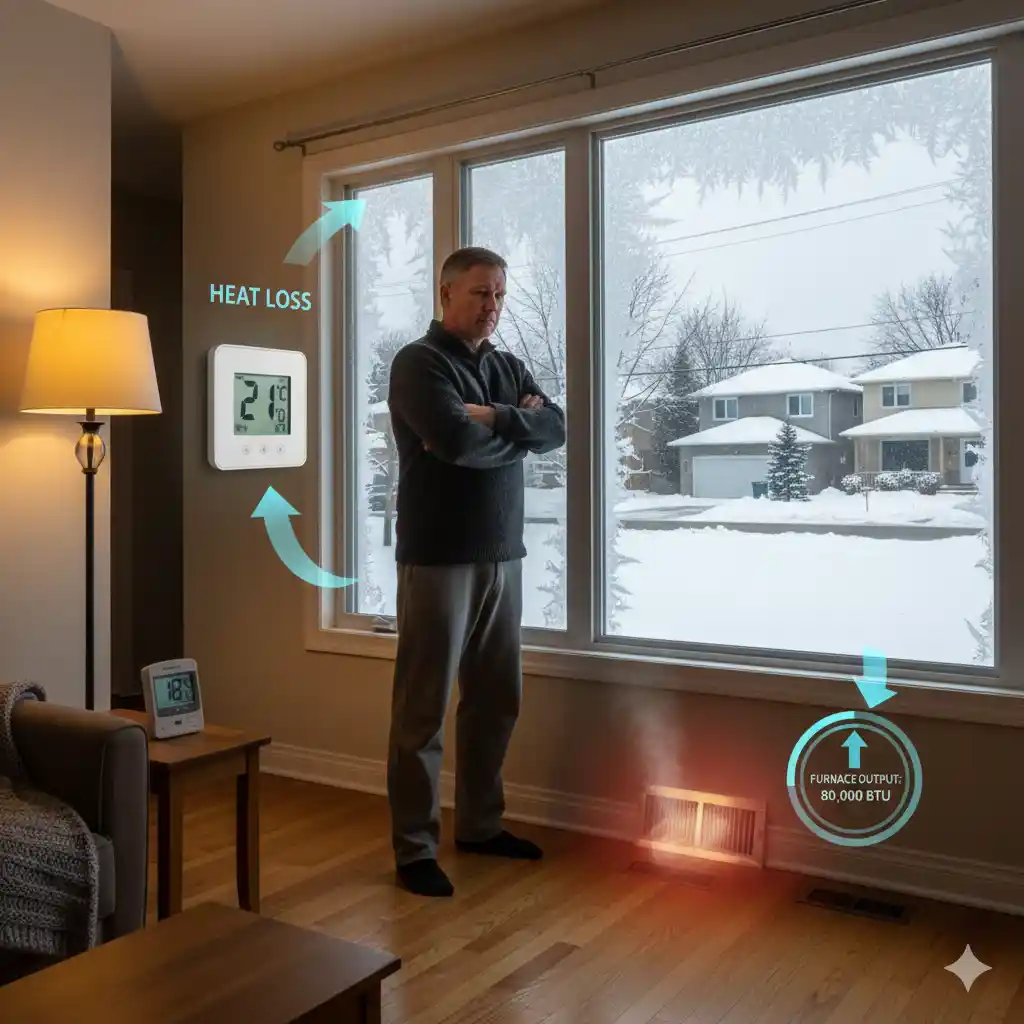
Most Ontario homes turn the furnace on between late September and mid-October, once overnight lows sit below 10°C and indoor temperatures stop recovering above 18–20°C on their own. There’s no fixed date — the right trigger is your house, not the calendar. What matters more is testing the furnace before the night you genuinely need it.
Hamilton’s shoulder season swings hard: a 24°C afternoon can be followed by a 6°C night in the same week. Here’s how to time the switch, what to check first, and why the first test run should happen on a mild day.
When Do Most People Turn On Their Furnace in Ontario?
The practical trigger is sustained indoor temperatures below about 18°C — for most Hamilton-area homes that arrives between late September and Thanksgiving. Single mild-week reprieves are normal; once overnight lows stay in the single digits for several days running, the house stops warming back up during the day and heating season has effectively started.
Two groups shouldn’t wait for discomfort. Homes with infants, older adults or health conditions should hold steadier indoor temperatures — and if you’re a tenant, Ontario municipalities set minimum-heat bylaws for rental units that begin as early as September 1, so landlords typically need heating systems ready before the first cold week regardless.
Why You Should Test the Furnace Before You Need It
Run the furnace for a 10–15 minute test on a mild September day, two to three weeks before you expect to need real heat. If something’s wrong — no ignition, short-cycling, a concerning smell — you find out while repair schedules are open and the house isn’t cold, instead of during the first cold snap alongside every other no-heat call in the city.
A furnace that sat idle since March can hide a failed igniter, a dirty flame sensor or a blocked intake without any outward sign. The test run is five minutes of effort that converts a January emergency into a September appointment. Our furnace tune-up checklist covers what a professional inspection adds on top.
How to Do the First Start-Up Right: 7 Steps
- Replace or check the filter. A summer’s worth of AC use loads the filter with dust; heating season should start with a clean one.
- Clear the area around the furnace. Nothing stored against the cabinet, no boxes blocking combustion air.
- Check vents and returns room by room. Furniture moved over the summer often ends up parked on a register.
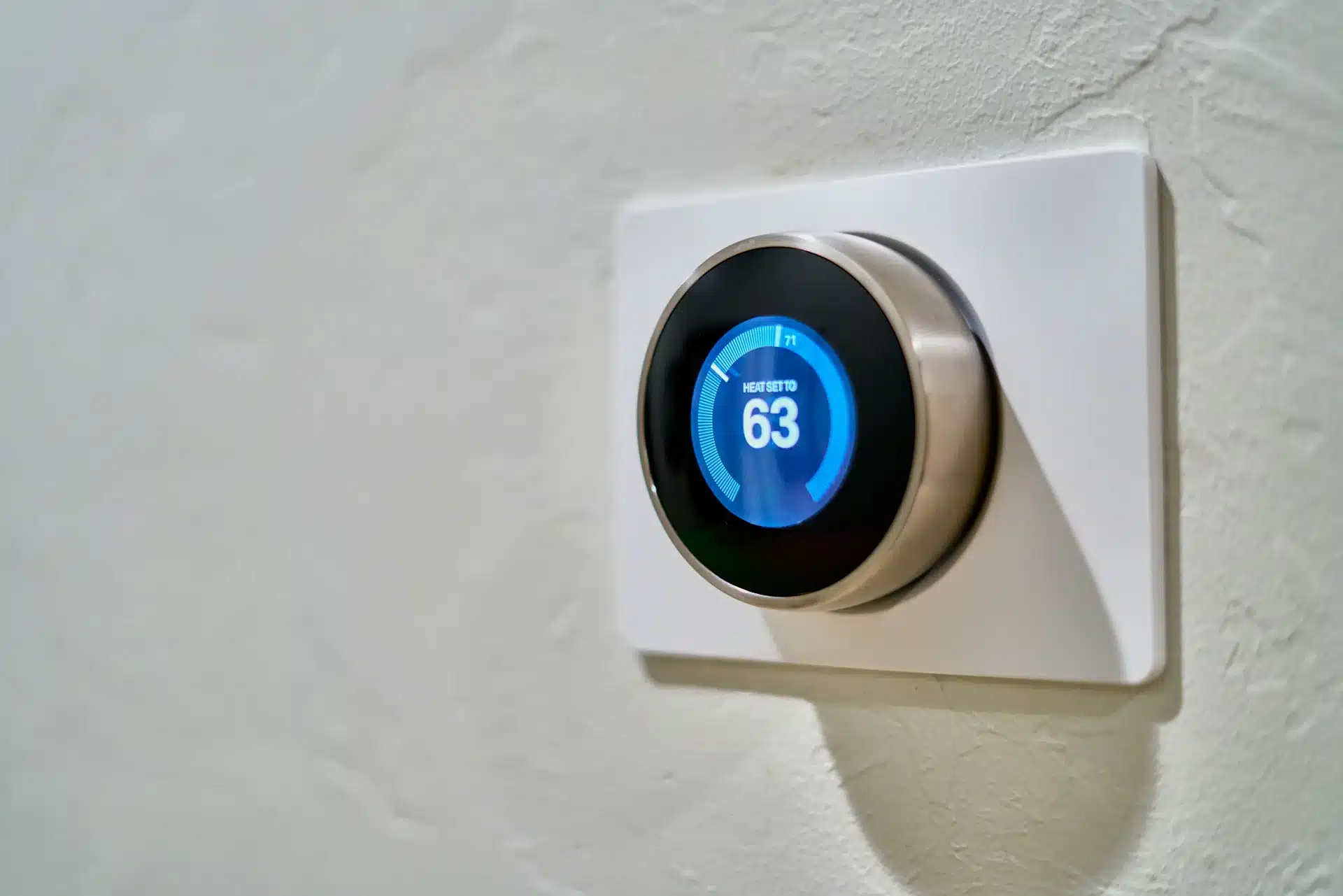
- Switch the thermostat to HEAT and set it 3–4 degrees above room temperature.
- Listen to the start sequence. A click, the inducer fan, ignition, then main blower — in that order, without booms or squeals.
- Expect a dust smell for the first 30–60 minutes. Burning dust off the heat exchanger is normal on first run; it should clear, not linger for days.
- Let it complete two full cycles and confirm warm air reaches every room.
Smells and Sounds: What’s Normal on First Start-Up?
A brief burning-dust smell is the one normal odour of the season’s first run. Anything else deserves attention: a rotten-egg smell means leave the house and call your gas utility from outside; electrical or burning-plastic smells mean shut the system off; repeated booming at ignition or metal-on-metal squealing means book a technician before running it further.
These symptoms have specific causes and their own warning hierarchy — we cover them in detail in our guide to first-startup smells and sounds, publishing this week.
What Temperature Should You Set in October?
For most Ontario homes, 20–21°C while home and awake, 17–18°C overnight or away, is the balance point between comfort and cost. Each degree lower across the heating season trims fuel use measurably — ENERGY STAR’s smart thermostat guidance puts scheduled setbacks among the cheapest heating savings available, because the furnace simply runs less.
Avoid the big-swing habit, though: cranking the thermostat to 25°C doesn’t heat the house faster — a furnace delivers heat at the same rate regardless of the target. It just runs longer and overshoots.
Smart and programmable thermostats earn their keep in exactly this season: a schedule handles the daily setbacks automatically, and learning models trim run time around your actual patterns rather than a guess. If you already own one, fall is the moment to review last winter’s schedule instead of inheriting it blindly.
Does Turning the Furnace On Early Waste Money?
No — a furnace only burns gas when the thermostat calls for heat. Switching the system to HEAT mode in September costs nothing on a warm day; the thermostat won’t trigger until the house actually cools below the setpoint. There is no efficiency penalty for being ready early.
The genuinely expensive pattern is the opposite: discovering a fault during the first cold week, when demand peaks, and paying peak-season repair prices while waiting in the emergency queue. Natural Resources Canada’s home heating and cooling maintenance guide makes the same timing case: book cooling maintenance in the spring and the heating check-up in the fall, so the furnace is verified before sustained demand begins.
Furnace On, AC Off: The Seasonal Handover
Early fall is a two-system handover, and the air conditioner deserves a proper shutdown at the same time the furnace comes online. Clearing debris from the outdoor unit and closing the season correctly protects it through winter — our end-of-summer AC checklist covers the 20-minute routine.
If your system is a heat pump rather than a furnace, the handover is automatic — but the same September test-run logic applies before sustained heating demand begins.
The Rest of the Fall Handover: What to Check Alongside the Furnace
The furnace switch-on is the anchor of a short fall checklist, and the other items take minutes while you’re already thinking about it. Check every CO alarm: test button, fresh batteries, and the expiry date on the back — CO sensors retire after 7–10 years regardless of batteries, and fall is the natural moment to catch an expired one before the season when fuel appliances run hardest.
If you have a furnace-mounted humidifier, fall is when it goes back into service: open the bypass damper (most have a summer/winter setting), replace the water panel, and confirm the water supply is on. A humidifier run all summer wastes water; one forgotten in winter leaves the house at static-shock humidity. Our furnace humidifier guide covers settings and maintenance in detail.
Finally, walk the house once with the furnace running: registers open and blowing, cold-air returns unblocked by furniture, and no window left cracked from summer in a room that will quietly leak heat all season. Ten minutes of walking beats a month of wondering why one bedroom stays cold.
When the First Start-Up Should Involve a Professional
Book a professional start-up rather than a DIY test if the furnace had any unresolved symptoms last winter, if it’s 12+ years old, or if it hasn’t had a documented inspection in over a year. A licensed technician runs combustion and carbon monoxide testing that no homeowner check can replicate — the checks that matter precisely because they have no visible symptoms.
Our furnace maintenance service in Hamilton covers the full inspection, and this month the Early-Bird Furnace or Boiler Start-Up offer includes it with 3 free months of the maintenance plan — and it covers boilers as well as furnaces, making this the cheapest way all year to get the season’s start-up done properly.
FAQs
Is there a law about when heat must be turned on in Ontario?
For homeowners, no — it’s your call. For rental units, municipal bylaws set minimum indoor temperatures (typically 20–21°C) through the heating months, with start dates as early as September 1 depending on the municipality. Tenants should check their city’s property standards bylaw.
Should the furnace fan run on AUTO or ON in winter?
AUTO for most homes — the blower runs only when heating, which keeps delivered air warm and running costs down. Constant ON evens out temperatures between floors and helps whole-home filtration, but adds electricity cost and can feel drafty between heating cycles. Try AUTO first; switch only for a specific reason.
Why does my furnace smell when I first turn it on?
Dust settles on the heat exchanger over summer and burns off during the first run — a faint burning-dust smell for the first hour is normal. A smell that persists for days, or any gas, electrical or plastic odour, is not — shut down and get it inspected.
Can I run the furnace and then switch back to AC in the same week?
Yes. Switching modes doesn’t harm the system — just give each mode a few minutes to finish its current cycle before changing over, rather than flipping back and forth within minutes. Ontario shoulder seasons routinely demand both modes in the same week, and the equipment is built for it.
What if my furnace doesn’t turn on at all during the test?
Check the basics first: thermostat set to HEAT and calling, furnace switch on, breaker not tripped, filter not fully clogged. If those pass and it still won’t start, stop there — ignition and gas-valve faults are licensed-technician territory.
Disclaimer: This article is for general information only. Any prices shown are typical Hamilton-area estimates, not quotes — actual costs depend on your home, your system and site conditions. Rebate programs and their amounts change over time; confirm current details with the program provider before making decisions. For exact pricing on your system, call Dynamic Heating & Cooling at 289-962-4811.