
 Proudly Family-Owned
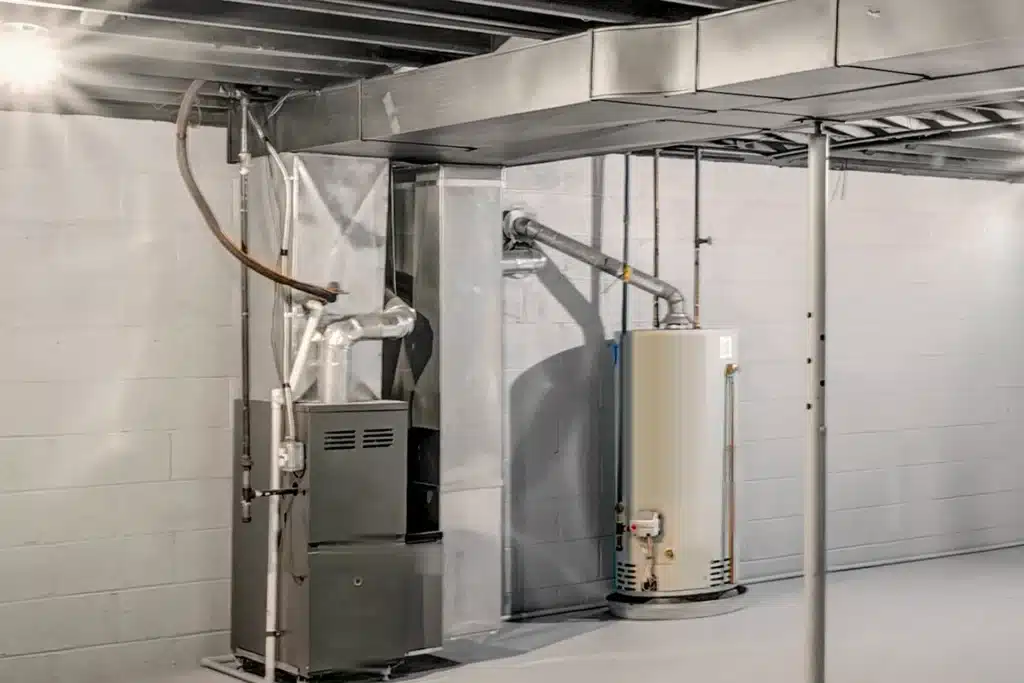
Furnace short cycling means the furnace turns on and shuts off after only a few minutes, over and over, without finishing a full heating cycle. The usual causes are a clogged filter making the furnace overheat, a dirty flame sensor, a blocked vent or condensate line, a thermostat problem, or a furnace that is too large for the home.
Short cycling is one of the most common furnace complaints once the heating season starts in Ontario. This guide explains how to recognize it, why it matters, the most likely causes in order, what you can safely check yourself, and when it needs a licensed technician.
What Is Furnace Short Cycling?
Short cycling is when a furnace runs in short bursts instead of steady cycles: it shuts down early, often before the house reaches the thermostat setting, then starts again soon after. The house may feel uneven, temperatures swing, and the furnace sounds like it is constantly starting up.
A normal furnace cycle has a clear pattern: the inducer fan starts, the burners light, the blower pushes warm air through the house, and the furnace runs until the thermostat is satisfied. Short cycling interrupts that sequence early. Sometimes the furnace is shutting itself off for safety, and sometimes the thermostat is telling it to stop too soon. Working out which one is happening is the first step in finding the cause.
Signs Your Furnace Is Short Cycling
The clearest sign is a furnace that runs for only a few minutes, shuts off, and starts again shortly after, several times an hour. Other signs include rooms that never quite reach the set temperature, temperature swings, a furnace that lights and then goes out within seconds, and higher gas bills without colder weather to explain them.
- The furnace turns on and off much more often than it used to
- Burners light, then shut off within seconds, then the furnace tries again
- The house warms unevenly, or never reaches the thermostat setting
- The blower keeps running after the burners shut off
- A status light on the furnace control board is flashing a code
- Gas use is higher than usual for the weather
Note how quickly the furnace shuts off. A furnace that lights and goes out within seconds points to ignition or flame-sensing problems, while one that runs a few minutes and then stops points more often to overheating, airflow or the thermostat.
Is Short Cycling Bad for Your Furnace?
Yes. Short cycling wears components faster, wastes fuel and reduces comfort. Every start puts stress on the igniter, inducer motor, blower motor and control board, so a furnace that starts three times as often wears those parts out sooner. It also spends more of its time in the least efficient part of the cycle, the start-up.
Some causes are also safety-related. A furnace that shuts off because it is overheating is protecting itself; ignoring the reason can eventually damage the heat exchanger. A blocked exhaust vent that trips a safety switch needs attention for the same reason. Short cycling is worth fixing early, before a small fault becomes a no-heat call in the middle of a cold snap.
Why Does My Furnace Keep Shutting Off? Common Causes
Most short cycling traces back to airflow, ignition, venting, the thermostat or sizing. The table below lists the common causes, what each one usually looks like, and whether it is something you can check or a job for a technician. Several causes can overlap, which is why a proper diagnosis looks at the whole system.
| Cause | What it usually looks like | Who fixes it |
|---|---|---|
| Clogged air filter | Runs a few minutes, overheats, shuts off on the high-limit switch | Homeowner (replace filter) |
| Closed or blocked vents and return grilles | Same overheating pattern; some rooms cold | Homeowner |
| Dirty flame sensor | Burners light, then shut off within seconds, then retry | Technician |
| Blocked exhaust or intake vent (snow, ice, debris) | Furnace fails to start or stops early; pressure switch trips | Homeowner can clear snow; technician for the rest |
| Blocked condensate drain (high-efficiency furnaces) | Stops early, sometimes with water near the furnace | Technician |
| Thermostat placement, batteries or wiring | Stops before rooms are warm; thermostat near a heat source | Homeowner checks; technician for wiring |
| Failing limit switch, pressure switch or control board | Erratic cycling, flashing error codes | Technician |
| Oversized furnace | Very short, frequent run cycles; temperature swings | Technician (sizing assessment) |
Dirty Filter and Overheating: The Most Common Cause
A clogged filter is the first thing to check. When the filter restricts airflow, heat builds up inside the furnace faster than the blower can move it out, so the high-limit safety switch shuts the burners off. The furnace cools, restarts, overheats again, and the cycle repeats. Replacing the filter often stops it immediately.
Natural Resources Canada’s Keeping the Heat In guide recommends changing or cleaning forced-air filters every three months or as they become loaded, and keeping return-air grilles and warm-air vents clear of obstructions. Closed registers and furniture over return grilles cause the same overheating problem as a dirty filter. If you are not sure which filter suits your system, our guide to furnace filter types and MERV ratings explains the options.
Furnace Lights, Then Shuts Off After a Few Seconds
If the burners light and go out within a few seconds, the furnace is usually not detecting the flame. A flame sensor coated in residue cannot confirm the flame, so the control board shuts the gas off as a safety measure and tries again. After several failed attempts, many furnaces lock out and stop trying altogether.
Cleaning or replacing the flame sensor is a routine repair, but it involves the burner compartment of a gas appliance and should be done by a licensed technician. The same symptom can also come from a weak igniter or, less often, a gas valve problem. Our article on signs your gas valve is failing explains how technicians tell a gas valve fault apart from a dirty flame sensor or a failing igniter.
Blocked Vents and Snow: A Winter Cause in Ontario
High-efficiency furnaces vent through plastic pipes on an outside wall, and snow, ice or debris over those pipes is a common winter cause of short cycling. When the exhaust or intake is restricted, a pressure switch stops the furnace from running. Clearing snow from around the vents after a storm often restores normal operation.
High-efficiency furnaces also produce condensate, which drains through a trap and a small line. If that line is blocked, or freezes where it runs through a cold space, water can back up and trip a safety switch, so the furnace stops early. Keep the area around outdoor vents clear through the winter, and if clearing snow does not fix the problem, call a technician rather than repeatedly restarting the furnace.
Thermostat Problems That Cause Short Cycling
A thermostat in the wrong spot can cause short cycling on its own. Near a supply vent, a lamp, a sunny window or the kitchen, it warms faster than the rest of the house and stops the furnace too soon. Weak batteries, a loose wire or wrong settings on a new thermostat can do the same.
Start with the easy checks: replace the batteries, make sure the thermostat is set to heat with a sensible temperature, and look for anything near it that gives off heat. Smart and programmable thermostats also have settings that control how often the furnace can cycle; after a thermostat replacement, those settings are worth checking. If the thermostat needs relocating or the wiring is suspect, that is a job for a technician.
Oversized Furnace: When the Unit Itself Is the Problem
A furnace that is too large for the home delivers heat faster than the house needs it, so it runs in very short bursts and cycles frequently, with temperature swings between cycles. Natural Resources Canada notes that after retrofits such as new insulation and windows, fuel-fired equipment may end up oversized, causing temperature swings and inefficient short cycling.
The fix for an oversized unit is not a repair but a sizing decision. Where short cycling cannot be controlled, NRCan suggests considering a high-efficiency two-stage, three-stage or modulating furnace, which can run at lower output for longer, steadier cycles. A proper heat loss calculation is the starting point, and our guide to telling whether a furnace is the wrong size explains how a mismatch between furnace and home shows up.
What You Can Safely Check Before Calling
A few checks are safe for any homeowner and fix a good share of short cycling: replace the filter, open all supply vents and clear the return grilles, clear snow from outdoor vents, and check the thermostat’s batteries, settings and location. If the furnace still cycles after these, it needs a technician.
- Replace the air filter, even if it was changed recently, and note how dirty it was.
- Open every supply register and move furniture, rugs or curtains off return grilles.
- Check outdoor vent pipes on a high-efficiency furnace and clear snow and ice from around them.
- Check the thermostat: fresh batteries, heat mode, and nothing warm nearby.
- Look at the furnace status light. If a code is flashing, note the pattern and check it against the chart on the furnace door.
- Stop there. Do not open the burner compartment, bypass switches or repeatedly reset a furnace that keeps locking out.
What Short Cycling Repairs Typically Cost
Many short cycling fixes are minor. A standard service call with Dynamic Heating & Cooling is $119.99 ($174.99 after hours, on weekends and holidays), and the fee is credited toward the repair if you go ahead. Common repairs like a flame sensor cleaning, an igniter replacement or blower servicing generally fall between $150 and $600. Larger repairs, such as a failed control board, cost more, and an oversized furnace is a replacement decision rather than a repair.
The cost of ignoring short cycling is usually higher than the repair. Extra starts wear out igniters and motors sooner, overheating stresses the heat exchanger, and the furnace burns more gas for the same comfort. Our gas furnace repair cost guide breaks down typical repair prices in more detail.
When to Call a Technician
Call a technician if short cycling continues after you have checked the filter, vents and thermostat, if the burners light and go out within seconds, if a status light is flashing, or if the furnace locks out. In Ontario, work on gas furnaces must be done by a gas technician licensed by the Technical Standards and Safety Authority (TSSA).
Dynamic Heating & Cooling’s team of 20+ licensed technicians diagnoses and repairs short cycling furnaces across Hamilton and the surrounding area, with 24/7 emergency service when the heat goes out. Book furnace repair in Hamilton or call 289-962-4811.
FAQs
Is it safe to keep running a furnace that short cycles?
For a short time, usually yes, if the cause is a dirty filter you can replace. But if the furnace is overheating, locking out, lighting and going out repeatedly, or you notice any gas or burning smell, stop resetting it and call a technician. Repeated overheating and failed ignitions are safety shutoffs, not quirks.
Can short cycling increase my gas bill?
Yes. A furnace burns fuel least efficiently during start-up, before the heat exchanger and ducts are warm. Short cycling means the furnace spends much more of its run time in that inefficient phase, so it uses more gas for the same comfort, on top of the extra wear on parts.
Why does my furnace short cycle only in very cold weather?
Cold-weather short cycling on a high-efficiency furnace often points to the venting or condensate system. Snow or frost can restrict the outdoor vent pipes, and a condensate line running through a cold area can freeze. Both can trip a safety switch and stop the furnace early, so check the outdoor vents first.
Disclaimer: This article is for general information only. Any prices shown are typical Hamilton-area estimates, not quotes — actual costs depend on your home, your system and site conditions. For exact pricing on your system, call Dynamic Heating & Cooling at 289-962-4811.